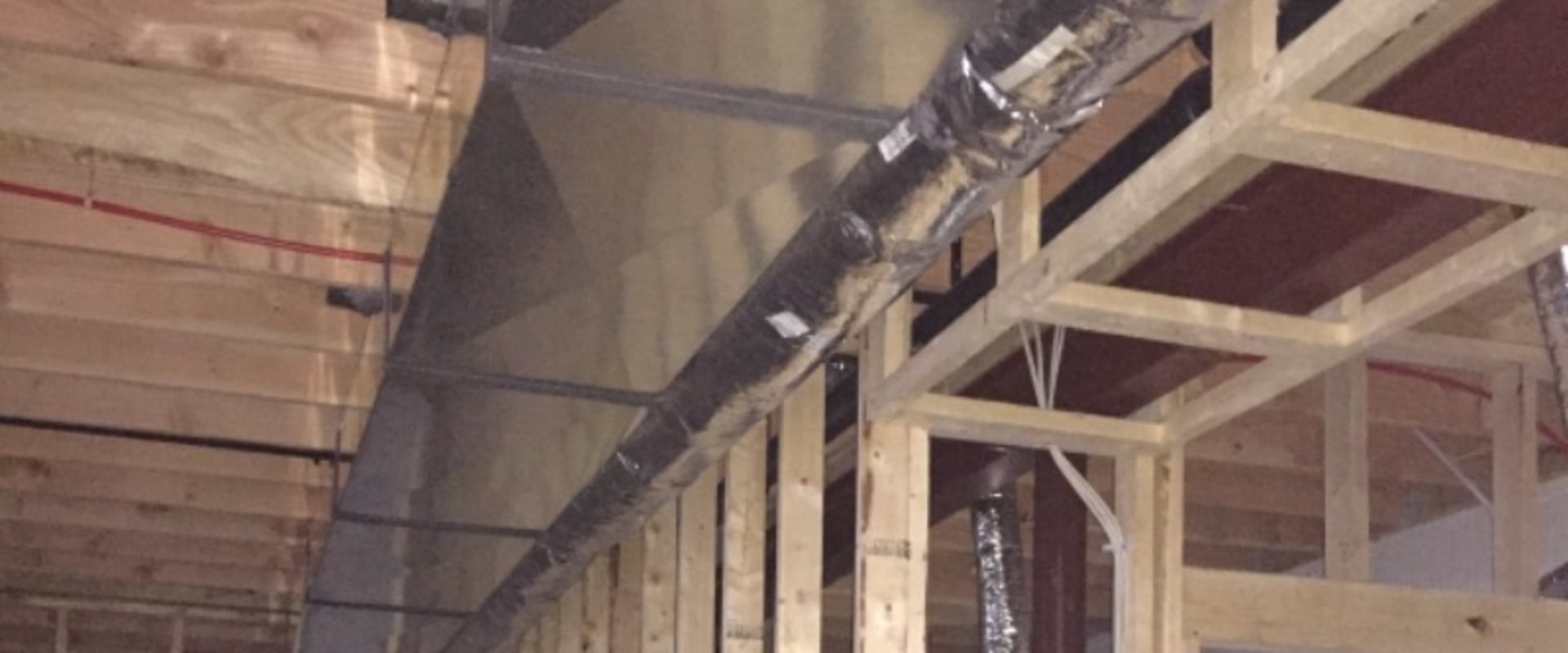
Ductwork is a fundamental component of any HVAC (Heating, Ventilation, and Air Conditioning) system, serving as the network through which conditioned air flows to maintain a comfortable indoor environment. Properly designed and sized ductwork ensures that air is distributed evenly throughout your home or building, enhancing both comfort and energy efficiency. When considering the importance of ductwork, it’s essential to recognize that its role extends beyond mere air delivery; it significantly impacts the overall performance of your HVAC system.One of the most critical aspects of ductwork is its size. If ducts are too small, they can restrict airflow, leading to increased pressure within the system and causing your HVAC unit to work harder than necessary.
This not only results in higher energy bills but can also shorten the lifespan of your equipment. Conversely, oversized ducts can lead to inefficient air distribution, creating hot or cold spots in your space and wasting energy as well. Therefore, finding the right balance in duct sizing is crucial for optimal HVAC performance.Moreover, regular duct cleaning nearby is vital for maintaining the efficiency of your HVAC system. Dust, debris, and allergens can accumulate in ductwork over time, obstructing airflow and reducing indoor air quality.
This buildup can exacerbate respiratory issues and allergies while also forcing your HVAC system to work harder to push air through dirty ducts. By understanding the importance of well-maintained ductwork and its impact on HVAC efficiency, homeowners can make informed decisions that enhance comfort and reduce energy costs.
The Basics of Duct Sizing
Understanding the fundamentals of duct sizing is essential for ensuring that your HVAC system operates efficiently and effectively. Properly sized ductwork not only enhances airflow but also contributes to energy savings and overall comfort in your home. Here are the key factors to consider when determining the appropriate size for your ductwork.1.Airflow Requirements
- The first step in sizing ductwork is to calculate the required airflow, typically measured in cubic feet per minute (CFM).
This measurement is crucial as it dictates how much air needs to be delivered to each room.
- To determine CFM, consider the total heating or cooling load of your space, which can be calculated using a Manual J load calculation. This calculation takes into account factors such as insulation, window sizes, and local climate conditions.
2.Room Dimensions
- The dimensions of each room play a significant role in duct sizing. Larger rooms will require more airflow to maintain a comfortable temperature, while smaller rooms may need less.
- Measure the length and width of each room to help determine the necessary duct size. A common rule of thumb is that a 10x10 room typically requires about 100 CFM.
3.Ductwork Dimensions
- Duct sizes are usually specified in inches and can vary based on the type of duct (round or rectangular).
Round ducts are often more efficient for airflow, while rectangular ducts can fit better in tight spaces.
- Use duct sizing charts or software tools that take into account the CFM requirements and duct dimensions to find the right size. For instance, a round duct with a diameter of 6 inches can typically handle around 100 CFM.
4.HVAC System Specifications
- The specifications of your HVAC system also influence duct sizing. Systems with higher capacity may require larger ducts to accommodate increased airflow.
- Consult your HVAC system's manual or a professional contractor to ensure that your ductwork aligns with the system's specifications for optimal performance.
The Case for Undersized Ductwork
Advocates of undersized ductwork often highlight several advantages that can make this approach appealing, particularly in terms of cost and energy efficiency.While there are valid concerns regarding airflow and system performance, understanding the potential benefits of smaller ducts can provide a more balanced perspective.
Cost Savings on Installation
One of the most significant arguments for opting for undersized ductwork is the reduction in installation costs. Smaller ducts require less material, which translates to lower material costs. Additionally, the labor involved in installing smaller ducts is often less intensive, leading to further savings. Homeowners looking to minimize upfront expenses may find this option particularly attractive.Improved Air Velocity
Another point in favor of undersized ductwork is the potential for increased air velocity.When ducts are smaller, the air moving through them travels faster. This can create a more dynamic airflow that some believe enhances the overall efficiency of the HVAC system. Faster-moving air can help distribute conditioned air more effectively throughout a space, potentially reducing the time it takes to reach desired temperatures.
Energy Efficiency Considerations
While it may seem counterintuitive, proponents argue that undersized ducts can lead to energy efficiency benefits. The theory is that by creating higher air velocity, the HVAC system may operate more efficiently, using less energy to achieve the same level of comfort.This could result in lower utility bills over time, especially in homes where energy costs are a significant concern.
Addressing Common Misconceptions
Despite these advantages, it’s essential to address some common misconceptions surrounding undersized ductwork. Many people assume that smaller ducts will always lead to inadequate airflow and discomfort. However, when properly designed and installed, undersized ducts can still deliver sufficient airflow if they are matched correctly with the HVAC system's capacity. It’s crucial to consider factors such as vent placement, insulation, and overall system design when evaluating duct size.In conclusion, while undersized ductwork may not be suitable for every situation, its potential benefits—such as cost savings on installation and improved energy efficiency—should not be overlooked.Homeowners should weigh these factors carefully and consult with HVAC professionals to determine the best approach for their specific needs.
The Drawbacks of Undersized Ductwork
While the idea of undersized ductwork may seem appealing due to lower initial costs, the long-term consequences can be detrimental to both your comfort and your HVAC system's efficiency. Here are some significant drawbacks associated with undersized ductwork:- Inadequate Airflow: One of the most immediate issues with undersized ducts is the restriction of airflow. When ducts are too small, they cannot deliver the necessary volume of air to each room. This can lead to uneven heating or cooling, resulting in hot or cold spots throughout your home.
Rooms farthest from the HVAC unit may feel particularly uncomfortable, as they receive less conditioned air.
- Increased Energy Consumption: To compensate for inadequate airflow, your HVAC system must work harder. This increased workload leads to higher energy consumption, which can significantly inflate your utility bills. Over time, this added strain on your system can also result in premature wear and tear, necessitating costly repairs or replacements.
- HVAC System Strain: An undersized duct system forces your HVAC unit to operate beyond its intended capacity. This constant strain can lead to overheating and potential breakdowns.
Components such as the blower motor may fail more frequently, leading to additional repair costs and downtime.
- Noise Issues: Smaller ducts can create higher air velocity, which often results in increased noise levels. The sound of rushing air can be disruptive and uncomfortable, detracting from the overall ambiance of your living space.
- Reduced Indoor Air Quality: Inadequate airflow can also impact indoor air quality. Stagnant air may lead to a buildup of pollutants and allergens, exacerbating respiratory issues for occupants. Proper ventilation is crucial for maintaining a healthy indoor environment.
From inadequate airflow and increased energy costs to potential damage to your HVAC system, the drawbacks far outweigh any initial benefits. It is essential to consult with a professional HVAC contractor who can assess your specific needs and recommend appropriately sized ductwork for optimal performance.
The Case for Oversized Ductwork
When considering the size of your ductwork, the argument for oversized ducts often centers around several key advantages that can significantly enhance the performance of your HVAC system. While there are valid concerns regarding energy efficiency and cost, the benefits of larger ducts can outweigh these drawbacks in many scenarios.Improved Airflow Distribution
One of the primary advantages of oversized ductwork is its ability to facilitate better airflow distribution. Larger ducts allow air to move more freely, reducing resistance and enabling a more even distribution of conditioned air throughout your home.
This can be particularly beneficial in larger spaces or homes with multiple levels, where achieving consistent temperatures can be challenging. With oversized ducts, you can expect:
- Fewer Hot and Cold Spots: By ensuring that air flows evenly, oversized ducts help eliminate those frustrating areas in your home that never seem to reach the desired temperature.
- Enhanced Comfort: A more balanced airflow leads to a more comfortable living environment, as every room receives adequate heating or cooling.
Reduced Noise Levels
Another significant benefit of larger ductwork is the reduction in noise levels. Smaller ducts often require higher air velocity to maintain airflow, which can lead to increased noise from the HVAC system. In contrast, oversized ducts allow air to flow at a lower velocity, resulting in:
- Quieter Operation: The reduced speed of airflow minimizes the sound produced by the system, creating a more peaceful indoor environment.
- Less Strain on Equipment: Quieter operation also means less strain on your HVAC equipment, potentially extending its lifespan and reducing maintenance needs.
Future-Proofing Your HVAC System
Oversized ductwork can also serve as a form of future-proofing for your HVAC system.
As your needs change—whether due to renovations, additions, or changes in family size—having larger ducts can accommodate these adjustments without requiring a complete overhaul of your duct system. This flexibility allows for:
- Easier Upgrades: If you decide to upgrade your HVAC system to a more powerful unit in the future, oversized ducts can handle the increased airflow without necessitating additional modifications.
- Adaptability: Larger ducts provide the adaptability needed for any future expansions or changes in your home’s layout.
The Drawbacks of Oversized Ductwork
While oversized ductwork may seem like a beneficial choice at first glance, it comes with a range of significant drawbacks that can negatively impact your HVAC system's performance and your overall comfort. Understanding these disadvantages is crucial for making informed decisions about your ductwork sizing.Energy Inefficiency
One of the most pressing issues associated with oversized ductwork is energy inefficiency.When ducts are too large, the air moving through them travels at a slower velocity. This reduced speed can lead to:
- Heat Loss: As air moves slowly through larger ducts, it has more time to lose heat in the winter or gain heat in the summer, resulting in less effective temperature control.
- Increased Energy Bills: To compensate for the loss of conditioned air, your HVAC system must work harder and run longer, leading to higher energy consumption and increased utility bills.
Temperature Control Issues
Another significant drawback of oversized ductwork is the difficulty in maintaining consistent temperatures throughout your home. This can manifest in several ways:- Uneven Heating and Cooling: Larger ducts can cause air to be distributed unevenly across different rooms. Some areas may receive too much air, while others may not get enough, leading to hot or cold spots.
- Longer Wait Times for Desired Temperatures: Because the system has to push more air through larger ducts, it can take longer to reach the desired temperature set on your thermostat.
This delay can be particularly frustrating during extreme weather conditions.
Noise Levels
Oversized ductwork can also contribute to increased noise levels within your home. The larger ducts may create a more pronounced whooshing sound as air flows through them, which can be disruptive and uncomfortable. Additionally, the HVAC system may cycle on and off more frequently due to inefficiencies, further contributing to noise pollution.In conclusion, while it might be tempting to opt for larger ductwork in hopes of improved airflow and performance, the reality is that oversized ducts can lead to energy waste, temperature control issues, and increased noise levels. Striking a balance in duct sizing is essential for achieving optimal HVAC efficiency and comfort in your living space.Factors to Consider When Sizing Ductwork
When it comes to determining the right size for your ductwork, several critical factors must be taken into account.Each of these elements plays a significant role in ensuring that your HVAC system operates efficiently and effectively, providing optimal comfort throughout your home.
- Home Layout: The configuration of your home is one of the most important considerations. Open floor plans may allow for more straightforward duct routing, while multi-level homes or those with numerous rooms may require more complex duct designs. The distance between the HVAC unit and the various rooms also affects airflow; longer runs can lead to pressure drops, necessitating larger ducts to maintain efficiency.
- Insulation Type: The type and quality of insulation in your home significantly influence duct sizing. Well-insulated homes retain temperature better, which can allow for smaller ducts.
Conversely, if your home has poor insulation, larger ducts may be necessary to compensate for heat loss or gain, ensuring that conditioned air reaches its destination effectively.
- HVAC System Specifications: Different HVAC systems have varying airflow requirements. For instance, a high-efficiency system may require less airflow than a standard model. Understanding the specific requirements of your HVAC unit is crucial in determining the appropriate duct size. Consulting the manufacturer’s specifications can provide valuable insights into the necessary duct dimensions.
- Airflow Requirements: Each room in your home may have different airflow needs based on its size and function.
For example, kitchens and bathrooms often require more ventilation than bedrooms or living areas. Assessing these needs can help you determine if certain areas require larger ducts or additional vents to ensure adequate airflow.
- Future Modifications: Consider any potential future changes to your home or HVAC system. If you plan to add rooms or upgrade your HVAC unit, it may be wise to size your ducts accordingly now to accommodate these changes later without requiring extensive modifications.
The Role of Professional Assessment in Duct Sizing
When it comes to achieving optimal performance from your HVAC system, professional assessment for duct sizing is indispensable.Many homeowners underestimate the complexity involved in determining the right size for ductwork, often leading to inefficient systems and increased energy costs. Engaging a qualified HVAC contractor ensures that your ductwork is tailored to meet the specific needs of your home.During a professional assessment, the contractor will conduct a thorough evaluation of your space. This process typically includes:
- Home Size and Layout: The contractor will measure the square footage of your home and assess the layout, including the number of rooms and their dimensions. This information is crucial for calculating the required airflow.
- Existing Ductwork Inspection: If you have existing ductwork, the contractor will inspect it for any signs of damage or inefficiency.
They will check for leaks, blockages, and insulation quality, as these factors can significantly impact airflow.
- HVAC System Evaluation: The type and capacity of your current HVAC system will also be assessed. A system that is too powerful or too weak can lead to improper duct sizing.
- Airflow Requirements: The contractor will calculate the necessary airflow for each room based on its size and intended use. This calculation helps in determining the appropriate duct size to ensure even distribution of air throughout your home.
- Static Pressure: Understanding how much resistance air encounters as it moves through ducts is essential for sizing.
- Velocity: The speed at which air travels through ducts affects both comfort and energy efficiency.
- Future Needs: A good contractor will also consider potential future changes, such as additional rooms or upgraded HVAC systems, ensuring that your ductwork can accommodate these modifications.
By investing in this assessment, you not only enhance comfort but also save on energy costs in the long run.
Best Practices for Duct Design and Installation
When it comes to ductwork, the design and installation process is critical for ensuring optimal performance and efficiency. Following best practices can significantly enhance airflow, reduce energy costs, and prolong the lifespan of your HVAC system. Here are some essential guidelines to consider:- Minimize Bends and Turns: Each bend or turn in your ductwork can create resistance to airflow. Aim for straight runs whenever possible.
If bends are necessary, use gentle curves rather than sharp angles to maintain smoother airflow.
- Proper Sizing: Ensure that your ducts are appropriately sized for your HVAC system. Oversized ducts can lead to inefficient airflow, while undersized ducts can restrict air movement. A professional assessment can help determine the right size based on your home’s layout and HVAC capacity.
- Seal Ducts Effectively: Air leaks can significantly impact the efficiency of your system. Use high-quality mastic sealant or metal tape to seal joints and connections thoroughly.
Regular inspections can help identify any leaks that may develop over time.
- Insulate Ducts: Insulating your ductwork, especially if it runs through unconditioned spaces like attics or crawl spaces, helps maintain the temperature of the air traveling through them. This reduces energy loss and improves overall system efficiency.
- Strategic Vent Placement: Positioning vents correctly is crucial for balanced airflow throughout your home. Ensure that vents are not obstructed by furniture or other objects, which can impede air distribution.
- Regular Maintenance: Schedule routine duct cleaning and maintenance to keep your system running efficiently. Dust and debris accumulation can restrict airflow and reduce indoor air quality.
Remember that working with a qualified HVAC professional is essential for achieving the best results in both design and installation.
FAQs About Duct Sizing and Cleaning Services Nearby
When it comes to maintaining your HVAC system, understanding duct sizing and the importance of regular duct cleaning is essential. Here are some frequently asked questions that can help clarify these topics for homeowners.What is the ideal size for my ductwork?
The ideal size for ductwork depends on several factors, including the size of your home, the layout of your rooms, and the capacity of your HVAC system. A professional HVAC contractor can perform a Manual J calculation to determine the appropriate duct size needed to ensure optimal airflow and efficiency.How often should I have my ducts cleaned?
It is generally recommended to have your ducts cleaned every 3 to 5 years. However, if you notice an increase in dust, allergens, or if you have pets, you may want to consider more frequent cleanings.Regular cleaning helps maintain good air quality and ensures that your HVAC system operates efficiently.
What are the signs that my ducts need cleaning?
- Visible dust and debris: If you can see dust accumulating around your vents or on surfaces in your home, it may be time for a cleaning.
- Unpleasant odors: Foul smells coming from your vents can indicate mold or mildew buildup.
- Increased energy bills: If your energy costs are rising without explanation, dirty ducts could be causing your system to work harder.
Can I clean my ducts myself?
While some homeowners may attempt DIY duct cleaning, it is often best left to professionals. They have specialized equipment and expertise to thoroughly clean ducts without damaging them or spreading contaminants throughout your home.How does duct size affect HVAC performance?
The size of your ducts directly impacts airflow and energy efficiency. Undersized ducts can restrict airflow, leading to uneven heating or cooling and increased energy consumption. Conversely, oversized ducts can cause air to move too slowly, resulting in heat loss or gain before reaching its destination.Proper sizing ensures that your HVAC system operates at peak efficiency.By addressing these common questions about duct cleaning nearby and sizing, homeowners can make informed decisions regarding their HVAC maintenance and improve their indoor air quality.
<strong>Conclusion</strong>
In summary, the debate surrounding the appropriate size for ductwork is multifaceted and requires careful consideration of various factors. While both undersized and oversized ductwork present their own unique challenges, the ultimate goal remains the same: to achieve optimal airflow and energy efficiency within your home or building.Choosing the right size for your ductwork is not merely a matter of cost; it significantly impacts your HVAC system's performance, energy consumption, and overall comfort. An undersized duct system may seem appealing due to lower initial installation costs, but it can lead to inadequate airflow, increased energy bills, and a shorter lifespan for your HVAC equipment. Conversely, oversized ducts may promise better airflow but can result in wasted energy and uneven temperature distribution.To navigate this complex decision-making process, it is essential to consult with a qualified HVAC professional who can assess your specific needs.They will take into account:
- The size and layout of your space
- The type of HVAC system you have
- The insulation used in your home
- Your specific heating and cooling requirements
Their expertise will help you make informed decisions that align with your specific needs and ensure that your home remains a haven of comfort.