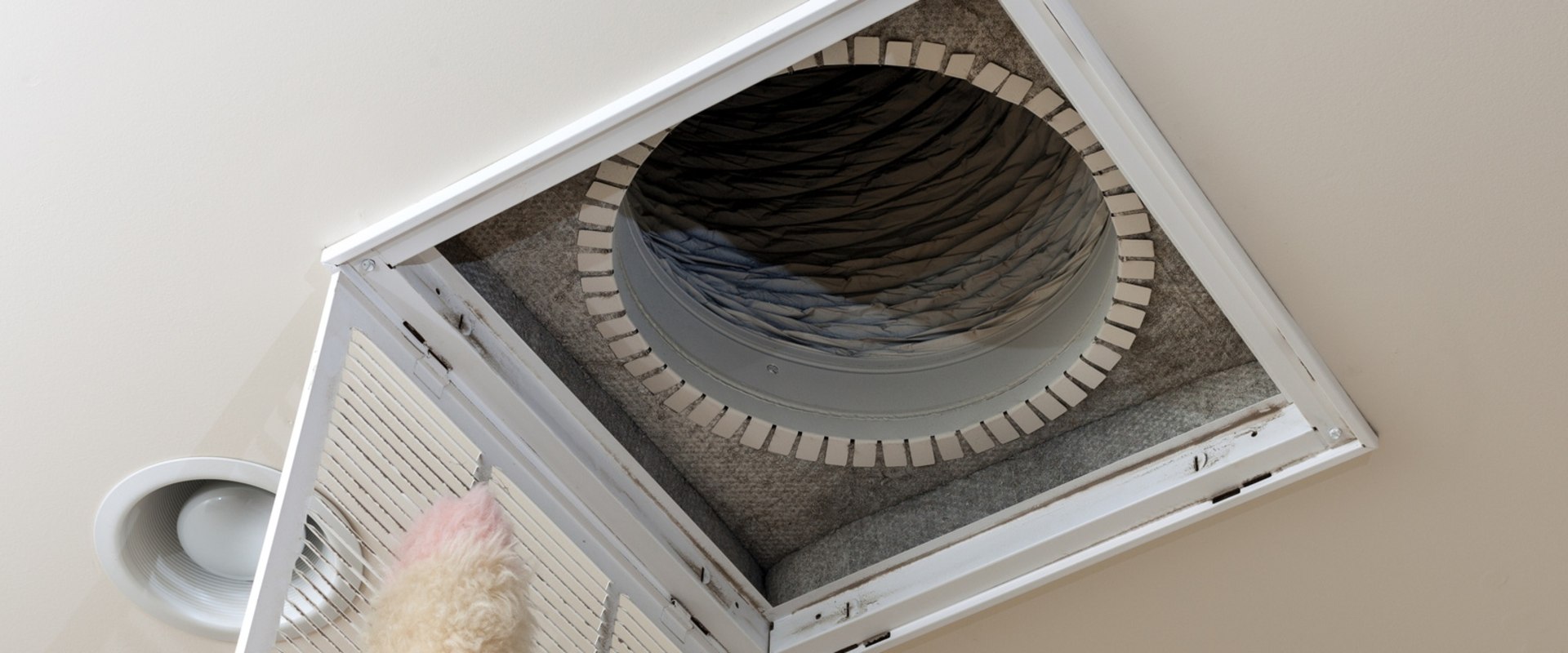
Duct cleaning is a crucial yet often misunderstood aspect of maintaining a healthy indoor environment. It involves the thorough cleaning of various components of your heating and cooling system, including the supply and return air ducts, grilles, registers, and even the heating and cooling coils. Over time, dust, allergens, and other debris can accumulate in these ducts, potentially affecting the quality of air circulating throughout your home. For homeowners searching for duct cleaning nearby, understanding what this service entails is essential to making informed decisions about their HVAC maintenance.Many people may wonder why duct cleaning is necessary.
The benefits extend beyond just improving airflow; they also encompass enhancing overall indoor air quality. Clean ducts can significantly reduce the presence of allergens such as dust mites, mold spores, and pet dander, which can be particularly beneficial for individuals with respiratory issues or allergies. Furthermore, a clean duct system can lead to increased energy efficiency, as it allows your HVAC system to operate more effectively without the added strain of pushing air through dirty ducts.However, it’s important to note that duct cleaning is not a one-size-fits-all solution. While it can provide substantial benefits in homes with significant buildup or contamination, it may not be necessary for every household.
Homeowners should consider their specific circumstances and consult with professionals to determine whether duct cleaning is warranted. By understanding the fundamentals of duct cleaning and its relevance to your home’s air quality and HVAC efficiency, you can make better choices that contribute to a healthier living environment.
Common Misconceptions About Duct Cleaning
When it comes to duct cleaning, many homeowners are often misled by common myths that can cloud their judgment. Understanding these misconceptions is essential for making informed decisions about your HVAC system and ensuring optimal airflow in your home.Myth 1: Duct Cleaning Solves All Airflow Problems
One of the most prevalent myths is that duct cleaning nearby will resolve all airflow issues. While it’s true that cleaning ducts can remove dust and debris, it does not address underlying problems such as poor duct design, leaks, or blockages.
If your home experiences uneven temperatures or inadequate airflow, it’s crucial to investigate the root cause rather than relying solely on duct cleaning.
Myth 2: Duct Cleaning Improves Indoor Air Quality Significantly
Another misconception is that duct cleaning will dramatically enhance indoor air quality. While removing accumulated dust and allergens can contribute to a cleaner environment, the impact may be minimal if there are no significant pollutants present in the ducts. According to the Environmental Protection Agency (EPA), homes without identifiable issues may not see a noticeable difference in air quality after duct cleaning.
Myth 3: DIY Duct Cleaning is Effective
Many homeowners believe they can tackle duct cleaning themselves using household tools. However, this approach can often do more harm than good.
Improper techniques can damage ducts, leading to costly repairs and potentially worsening airflow issues. It’s advisable to hire qualified professionals who have the right equipment and expertise to perform thorough duct cleaning safely.
Myth 4: All Duct Cleaning Services are the Same
The duct cleaning industry is not immune to scams. Some companies may offer low prices but deliver subpar services or use aggressive sales tactics. It’s essential to research and choose a reputable company with proper certifications and positive customer reviews.
This ensures you receive quality service that genuinely benefits your HVAC system.
Conclusion
By debunking these common myths about duct cleaning, homeowners can make better decisions regarding their HVAC systems. Understanding the limitations of duct cleaning and recognizing when professional help is necessary will lead to improved airflow and a healthier living environment.
The Impact of Duct Cleaning on Airflow
When homeowners consider duct cleaning nearby, one of the primary motivations is the belief that it will enhance airflow throughout their homes. While it is true that removing dust, debris, and other contaminants from air ducts can lead to some improvement in airflow, it is essential to understand the limitations of duct cleaning in addressing airflow issues.Airflow problems can stem from various factors, including:- Duct Design: The layout and design of your duct system play a crucial role in how air circulates within your home. If the ducts are poorly designed or improperly sized, even the cleanest ducts may not deliver optimal airflow.
- Blockages: While duct cleaning can remove some blockages, it may not address all potential obstructions.
For instance, if there are kinks in the ductwork or if the ducts are crushed or collapsed, cleaning alone will not resolve these issues.
- Leaky Ducts: Gaps and leaks in ductwork can significantly reduce airflow efficiency. Duct cleaning does not seal these leaks; therefore, even after a thorough cleaning, you may still experience airflow problems if leaks are present.
- HVAC System Issues: Sometimes, the root cause of poor airflow lies within the HVAC system itself. Problems with the furnace or air conditioning unit can lead to inadequate airflow, which duct cleaning cannot rectify.
- Regular Maintenance: Schedule routine inspections and maintenance for your HVAC system to ensure it operates efficiently.
- Professional Assessment: Consult with HVAC professionals who can evaluate your duct design and identify any underlying issues that may be affecting airflow.
- Sealing Ducts: Consider having your ducts sealed to prevent air leaks that can undermine the effectiveness of your heating and cooling systems.
Understanding the broader context of duct design and maintenance is essential for achieving optimal indoor air quality and comfort.
Health Benefits of Clean Ducts
Maintaining clean air ducts is not just a matter of comfort; it has significant implications for your health, especially for those who suffer from allergies or respiratory conditions. The air we breathe indoors can be more polluted than outdoor air, and dirty ducts can exacerbate this issue.Indoor Air Quality and Its Impact
Indoor air quality (IAQ) is crucial for overall well-being. When ducts are filled with dust, mold, and other contaminants, these particles can circulate throughout your home every time the heating or cooling system operates. This can lead to a range of health issues, including:
- Allergic Reactions: Dust mites, pet dander, and pollen can accumulate in your ducts.
When disturbed, these allergens are released into the air, triggering symptoms such as sneezing, runny nose, and itchy eyes.
- Respiratory Problems: Individuals with asthma or chronic obstructive pulmonary disease (COPD) may find their symptoms worsened by poor indoor air quality. Pollutants in the air can lead to increased inflammation and difficulty breathing.
- Infections: Mold spores and bacteria can thrive in dirty ducts. Breathing in these pathogens can lead to respiratory infections and other health complications.
The Role of Duct Cleaning
Regular duct cleaning can significantly improve indoor air quality by removing these harmful substances. By investing in professional duct cleaning services, you can:
- Reduce Allergens: A thorough cleaning removes accumulated dust and allergens, making your home a healthier environment.
- Improve Airflow: Clean ducts allow for better airflow, which means your HVAC system doesn’t have to work as hard.
This not only enhances comfort but also reduces energy consumption.
- Enhance Overall Well-Being: With cleaner air circulating in your home, you may experience fewer allergy symptoms and respiratory issues, leading to improved overall health.
Conclusion
In summary, the health benefits of maintaining clean ducts extend beyond mere comfort. For individuals with allergies or respiratory issues, clean ducts can lead to significant improvements in indoor air quality and overall well-being. Regular duct cleaning should be considered an essential part of home maintenance to ensure a healthy living environment.
When to Consider Duct Cleaning
Understanding when to clean your air ducts is crucial for maintaining a healthy indoor environment. While regular maintenance is essential, there are specific signs that indicate it’s time to schedule a professional duct cleaning service.Signs You Need Duct Cleaning
- Visible Dust and Debris: If you notice a significant amount of dust accumulating around your vents or on surfaces in your home, it may be time to consider duct cleaning.
This buildup can circulate through your HVAC system, affecting air quality.
- Unpleasant Odors: Foul smells emanating from your vents can indicate mold growth or the presence of pests. If you detect musty or unusual odors, it’s essential to have your ducts inspected and cleaned.
- Increased Allergies or Respiratory Issues: If you or your family members experience heightened allergy symptoms, asthma attacks, or other respiratory problems, dirty ducts could be a contributing factor. Cleaning the ducts may help alleviate these issues.
- Recent Renovations: Home renovations can lead to dust and debris accumulation in your ductwork. If you’ve recently remodeled, it’s wise to have your ducts cleaned to remove any construction particles.
- Pest Infestations: If you suspect rodents or insects in your duct system, cleaning is necessary not only for hygiene but also to prevent further infestations.
Frequency of Duct Cleaning
The frequency of duct cleaning can vary based on several factors, including the type of environment you live in and how often you use your HVAC system.Generally, it is recommended to have your ducts cleaned every 3 to 5 years. However, certain conditions may necessitate more frequent cleanings:
- If you have pets that shed fur regularly.
- If anyone in your household suffers from allergies or respiratory conditions.
- If you live in an area with high levels of dust or pollen.
- If you notice any of the signs mentioned above.
Choosing a Professional Duct Cleaning Service
When it comes to maintaining a healthy indoor environment, choosing a professional duct cleaning service is crucial. With numerous options available, it can be overwhelming to find a reputable company that meets your needs.Here are some essential tips to help you make an informed decision.
1.Research Local Companies
- Start by searching for duct cleaning nearby to identify local service providers. This not only supports local businesses but also ensures that help is readily available in case of any follow-up services.
- Look for companies that have been in the industry for several years, as experience often correlates with quality service.
2.Check Certifications and Affiliations
- Verify that the duct cleaning company holds relevant certifications from recognized organizations, such as the National Air Duct Cleaners Association (NADCA). These certifications indicate that the company adheres to industry standards and best practices.
- Membership in professional organizations can also be a sign of credibility and commitment to ongoing education in the field.
3.Read Customer Reviews
- Online reviews can provide valuable insights into the experiences of previous customers. Websites like Yelp, Google Reviews, and Angie's List are excellent resources for finding honest feedback.
- Pay attention to both positive and negative reviews to get a balanced view of the company's strengths and weaknesses.
4.Request Estimates
- Contact multiple companies to request estimates.
A reputable duct cleaning service should provide a detailed quote that outlines the services included and any potential additional costs.
- Avoid companies that offer unusually low prices, as this may indicate subpar service or hidden fees.
5.Ask About Their Cleaning Process
- Inquire about the methods and equipment used during the cleaning process. A professional company should use high-quality tools and follow a thorough cleaning protocol to ensure effective results.
- Ask if they conduct a post-cleaning inspection to verify that all ducts have been properly cleaned.
6.Trust Your Instincts
- If something feels off during your interactions with a company, trust your instincts. A reliable duct cleaning service should be transparent, responsive, and willing to answer all your questions.
- Your comfort level with the company is essential for ensuring a positive experience.
DIY vs.
Professional Duct Cleaning: What You Should KnowWhen it comes to duct cleaning, many homeowners face a critical decision: should they attempt to clean their air ducts themselves or hire a professional service? While the idea of a DIY approach may seem appealing due to cost savings, there are significant risks and limitations associated with this method.
Risks of DIY Duct Cleaning
- Improper Techniques: Many homeowners lack the specialized knowledge and tools required for effective duct cleaning. Using a standard vacuum or household cleaning supplies can lead to inadequate cleaning, leaving behind dust, allergens, and debris.
- Potential Damage: Attempting to clean ducts without proper training can result in damage to the ductwork itself. This can create leaks or other issues that may require costly repairs.
- Health Hazards: Disturbing dust and contaminants without proper protective gear can release harmful particles into the air, potentially exacerbating allergies or respiratory issues.
- Limited Effectiveness: DIY methods often fail to address deeper issues within the duct system, such as mold growth or pest infestations, which require professional intervention.
Benefits of Professional Duct Cleaning
Hiring a professional duct cleaning service offers numerous advantages that far outweigh the potential benefits of a DIY approach:
- Expertise and Experience: Professionals are trained to identify and address specific issues within your duct system. They have the knowledge to use appropriate techniques and equipment for thorough cleaning.
- Advanced Equipment: Professional services utilize specialized tools such as high-powered vacuums and rotary brushes that can effectively remove debris from all areas of the ductwork.
- Comprehensive Inspection: A professional cleaning often includes an inspection of your entire HVAC system, allowing for the identification of potential problems that may not be visible during a DIY attempt.
- Improved Air Quality: By ensuring that your ducts are cleaned properly, professionals can help improve indoor air quality, reducing allergens and pollutants circulating in your home.
For optimal results and peace of mind, hiring a professional service is typically the best choice for maintaining clean and efficient air ducts.
Maintaining Good Airflow Beyond Duct Cleaning
While duct cleaning can contribute to a cleaner home and potentially improve airflow, it is just one piece of the puzzle when it comes to maintaining optimal air circulation in your living space. To ensure that your HVAC system operates efficiently and effectively, consider implementing the following practical tips:- Regularly Change Air Filters: One of the simplest yet most effective ways to maintain good airflow is by changing your air filters regularly. Depending on usage, filters should be replaced every 1 to 3 months. Clogged filters restrict airflow and force your HVAC system to work harder, leading to increased energy costs and potential damage.
- Keep Vents Clear: Ensure that all vents and registers are unobstructed by furniture, curtains, or other items.
Blocked vents can significantly reduce airflow, making it difficult for your HVAC system to maintain a comfortable temperature throughout your home.
- Seal Duct Leaks: Inspect your ductwork for any visible leaks or gaps. Sealing these leaks with appropriate materials can prevent conditioned air from escaping and improve overall efficiency. Consider hiring a professional for a thorough inspection if you suspect significant issues.
- Maintain Outdoor Units: If you have an outdoor HVAC unit, keep the area around it free of debris, leaves, and vegetation. Regularly clean the unit’s coils and ensure that it has adequate airflow for optimal performance.
- Schedule Regular HVAC Maintenance: Beyond duct cleaning, regular maintenance by a qualified technician is essential.
Annual inspections can identify potential issues before they become major problems, ensuring that your system runs smoothly year-round.
- Utilize Ceiling Fans: Ceiling fans can help circulate air more effectively throughout your home. In warmer months, set fans to rotate counterclockwise to create a cooling breeze; in cooler months, switch them to clockwise to push warm air down from the ceiling.
Conclusion: The Real Value of Duct Cleaning and Airflow Management
In summary, understanding the nuances of duct cleaning nearby and its impact on airflow is crucial for homeowners seeking to enhance their indoor air quality and HVAC efficiency. While duct cleaning can contribute to a cleaner living environment by removing dust, allergens, and other particulates, it is not a one-size-fits-all solution for airflow issues.As we have discussed, the effectiveness of duct cleaning largely depends on the existing condition of your ductwork and the specific problems you may be facing.For homes with significant buildup of contaminants or those that have experienced water damage, professional duct cleaning can indeed lead to noticeable improvements in air quality. However, for homes without identifiable issues, the benefits may be minimal.Moreover, it is essential to recognize that duct cleaning should not be viewed as a substitute for regular maintenance practices. Homeowners can take proactive steps to maintain good airflow and air quality by:
- Regularly changing air filters: This simple task can significantly improve your HVAC system's efficiency and reduce strain on your ducts.
- Scheduling routine HVAC inspections: Professional assessments can identify potential issues before they escalate into costly repairs.
- Keeping vents unobstructed: Ensure that furniture or other objects do not block air vents, allowing for optimal airflow throughout your home.
- Cleaning around outdoor units: Keeping the area around your outdoor HVAC unit free from debris can enhance its performance.