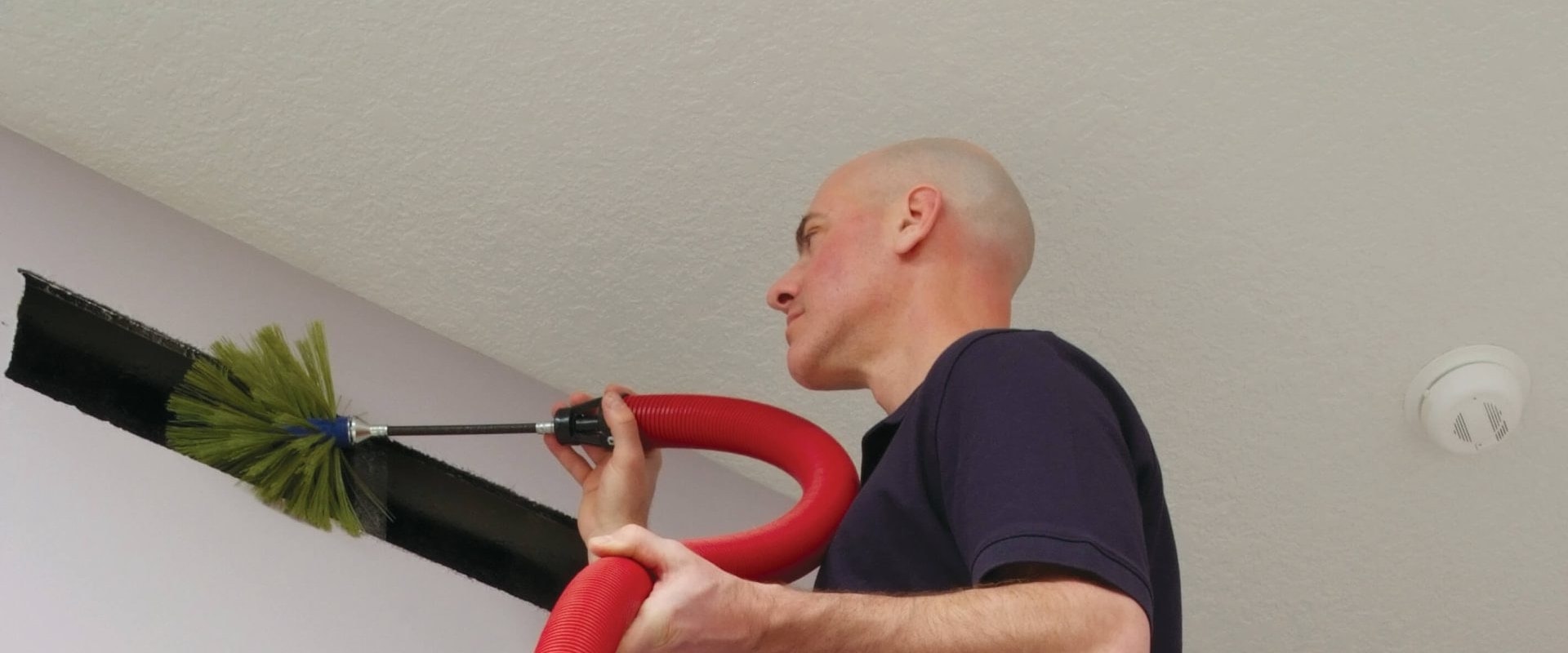
In recent years, the topic of air duct cleaning has gained significant attention among homeowners and health-conscious individuals alike. As we spend more time indoors, the quality of our indoor air has become a pressing concern. Many people are now searching for duct cleaning nearby to ensure their homes are free from dust, allergens, and other pollutants that can accumulate in the air ducts over time. However, with this growing interest comes a plethora of myths and misconceptions that can cloud judgment and lead to confusion about the actual benefits of air duct cleaning.One of the most common misconceptions is that cleaning air ducts can drastically improve indoor air quality and prevent health issues.
While it is true that clean ducts can contribute to a healthier environment, the reality is more nuanced. The Environmental Protection Agency (EPA) emphasizes that while duct cleaning can be beneficial under certain conditions, it is not a cure-all solution for indoor air quality problems. Understanding when and why to consider duct cleaning is essential for making informed decisions.Moreover, many homeowners may be unaware of the potential risks associated with improper duct cleaning practices. Some service providers may use aggressive methods or chemicals that could inadvertently introduce more contaminants into your home. While it is true that clean ducts can contribute to a healthier environment, the reality is more nuanced. The Environmental Protection Agency (EPA) emphasizes that while duct cleaning can be beneficial under certain conditions, it is not a cure-all solution for indoor air quality problems. Understanding when and why to consider duct cleaning is essential for making informed decisions.Moreover, many homeowners may be unaware of the potential risks associated with improper duct cleaning practices. Some service providers may use aggressive methods or chemicals that could inadvertently introduce more contaminants into your home.
This highlights the importance of choosing qualified professionals who adhere to industry standards. As we delve deeper into this topic, we will explore the various myths surrounding air duct cleaning, clarify its actual benefits, and provide guidance on how to approach this service effectively.
The Importance of Indoor Air Quality
Indoor air quality (IAQ) is a critical aspect of our living environments that often goes unnoticed. It refers to the quality of the air within buildings and structures, particularly as it relates to the health and comfort of the occupants. Poor indoor air quality can lead to a range of health issues, from minor irritations to serious respiratory conditions.Understanding the significance of IAQ is essential for maintaining a healthy home.One of the primary contributors to indoor air quality is the condition of your air ducts. These ducts are responsible for distributing heated or cooled air throughout your home, but they can also accumulate dust, allergens, and other pollutants over time. When air ducts are not properly maintained, they can become a source of contamination, negatively impacting the air you breathe.
Health Effects of Poor Indoor Air Quality
The health effects associated with poor indoor air quality can be significant. Common symptoms include:- Allergies: Dust mites, mold spores, and pet dander can trigger allergic reactions in sensitive individuals.
- Respiratory Issues: Prolonged exposure to pollutants can lead to chronic respiratory problems such as asthma or bronchitis.
- Headaches and Fatigue: Poor IAQ can cause headaches, fatigue, and difficulty concentrating due to the presence of volatile organic compounds (VOCs) and other irritants.
Therefore, ensuring that your indoor environment is clean and well-ventilated is crucial for your overall well-being.
The Role of Clean Air Ducts
Clean air ducts play a vital role in maintaining good indoor air quality. Regular duct cleaning helps remove accumulated dust, allergens, and other contaminants that can circulate through your home. By investing in duct cleaning nearby, you not only improve the efficiency of your heating and cooling systems but also enhance the overall air quality in your living space.Moreover, clean ducts can help reduce energy costs by allowing your HVAC system to operate more efficiently. When ducts are clogged with debris, your system has to work harder to maintain the desired temperature, leading to increased energy consumption and higher utility bills.In conclusion, prioritizing indoor air quality is essential for a healthy home environment.Understanding the importance of clean air ducts and their impact on IAQ can empower homeowners to take proactive measures in maintaining their living spaces. Regular inspections and cleanings are key steps in ensuring that you breathe clean, healthy air every day.
Common Myths About Air Duct Cleaning
When it comes to air duct cleaning, numerous myths and misconceptions can cloud the judgment of homeowners. Understanding the truth behind these myths is essential for making informed decisions about your indoor air quality and the maintenance of your HVAC system.Myth 1: Air Duct Cleaning Prevents Health Issues
One of the most prevalent myths is that cleaning air ducts can significantly improve health by preventing respiratory issues. While it’s true that clean air is vital for good health, the reality is that the dirt and dust in your ducts do not pose a significant health risk.
Most of the particles in your ducts are not airborne and do not circulate into your living space. Instead, they tend to settle on surfaces, making regular cleaning and dusting more effective for maintaining a healthy environment.
Myth 2: All Air Ducts Need Regular Cleaning
Another common misconception is that all homes require regular air duct cleaning. The truth is that not every home needs this service. Factors such as the presence of pets, recent renovations, or noticeable mold growth are indicators that cleaning may be necessary.
However, if your ducts are relatively clean and you don’t notice any issues, routine cleaning may not be warranted.
Myth 3: Duct Cleaning Improves Energy Efficiency
Many believe that cleaning air ducts will lead to lower energy bills due to improved efficiency. While it’s true that a clean HVAC system can operate more efficiently, the impact of duct cleaning on energy savings is often overstated. Regular maintenance of your heating and cooling systems, including changing filters and ensuring proper insulation, plays a more significant role in energy efficiency than duct cleaning alone.
Myth 4: DIY Duct Cleaning is Just as Effective
Some homeowners may consider tackling duct cleaning themselves, believing it to be a simple task. However, professional duct cleaning involves specialized equipment and techniques that are not easily replicated at home.
Attempting to clean ducts without proper tools can lead to damage or inadequate cleaning, potentially worsening indoor air quality.In conclusion, debunking these myths about duct cleaning nearby helps homeowners make better decisions regarding their indoor air quality. By understanding what duct cleaning can and cannot do, you can prioritize your home maintenance effectively and ensure a healthier living environment.
When Should You Consider Air Duct Cleaning?
Determining the right time to consider air duct cleaning can be crucial for maintaining a healthy indoor environment. While routine cleaning may not be necessary for every household, certain conditions can indicate that it’s time to call in a professional. Here are some key signs to look out for:- Visible Mold Growth: If you notice mold growing inside your air ducts or on other components of your heating and cooling system, it’s a clear sign that cleaning is needed.
Mold can pose serious health risks, especially for individuals with respiratory issues.
- Pest Infestations: The presence of rodents or insects in your air ducts is another strong indicator that cleaning is necessary. Pests can leave behind droppings and debris that not only contaminate the air but also create unpleasant odors.
- Excessive Dust and Debris: If you find that dust accumulates quickly on surfaces in your home, it may be due to clogged air ducts. When ducts are filled with dust and debris, they can circulate these particles throughout your living space.
- Unpleasant Odors: Foul smells emanating from your vents can signal the presence of mold, mildew, or even dead pests. If you detect any unusual odors when your HVAC system is running, it’s time to investigate further.
- Allergy Symptoms: If you or your family members experience increased allergy symptoms such as sneezing, coughing, or nasal congestion when the HVAC system is in use, dirty air ducts could be a contributing factor.
Homes with pets or smokers may require more frequent cleaning due to the additional pollutants introduced into the air. Regular inspections can help identify potential issues before they escalate.Ultimately, if you observe any of these indicators, it’s advisable to consult with a professional duct cleaning service. They can assess the condition of your air ducts and recommend appropriate actions to ensure your indoor air quality remains at its best.
The Role of the EPA in Air Duct Cleaning Recommendations
The Environmental Protection Agency (EPA) plays a crucial role in shaping the conversation around air duct cleaning and its impact on indoor air quality. Their recommendations are based on extensive research and aim to provide homeowners with the necessary information to make informed decisions regarding their air duct systems.One of the key points emphasized by the EPA is that routine air duct cleaning is not generally necessary.They suggest that cleaning should only be considered under specific circumstances, such as:
- Visible mold growth inside the ducts or on other components of the heating and cooling system.
- Evidence of rodents or insects in the ductwork.
- Excessive dust and debris clogging the ducts, which can impede airflow and reduce system efficiency.
- Regularly changing or cleaning air filters to ensure they are effective in trapping dust and allergens.
- Sealing any leaks in the ductwork to prevent outside pollutants from entering.
- Ensuring that moisture does not accumulate in the ducts, as this can lead to mold growth.
By focusing on prevention and addressing specific issues as they arise, individuals can maintain better air quality without unnecessary cleaning interventions.
Chemical Treatments in Duct Cleaning: Pros and Cons
When considering duct cleaning, some service providers may recommend the use of chemical treatments to address microbial contaminants within the ducts. While these treatments can offer certain advantages, they also come with potential risks that homeowners should carefully evaluate.Potential Benefits of Chemical Treatments
- Enhanced Disinfection: Chemical treatments can effectively eliminate bacteria, mold, and other harmful microorganisms that may be present in the ductwork. This can lead to improved indoor air quality.
- Odor Removal: Certain chemicals are designed to neutralize unpleasant odors that may linger in the ducts, providing a fresher environment.
- Long-Lasting Effects: Some treatments may offer residual benefits, continuing to inhibit microbial growth long after the initial application.
Risks and Concerns
- Health Risks: Many chemical treatments contain volatile organic compounds (VOCs) that can pose health risks if inhaled. Symptoms may include headaches, dizziness, or respiratory issues, particularly for sensitive individuals.
- Lack of Regulation: The effectiveness and safety of many duct cleaning chemicals are not thoroughly regulated or studied.
This means that some products may not deliver on their promises or could even be harmful.
- Potential for Residue: If not applied correctly, chemical residues can remain in the ducts, potentially leading to further contamination or health issues.
Best Practices for Using Chemical Treatments
If you decide to proceed with chemical treatments for your air ducts, consider the following best practices:- Consult Professionals: Always work with qualified professionals who are knowledgeable about safe chemical use and application methods.
- Read Labels Carefully: Ensure you understand the ingredients and potential risks associated with any chemical treatment you consider.
- Avoid Overuse: Limit the use of chemicals to necessary situations. Regular maintenance and cleaning can often reduce the need for harsh treatments.
- Ensure Proper Ventilation: When using chemical treatments, ensure that your home is well-ventilated to minimize inhalation risks.
Choosing a Professional Duct Cleaning Service
When it comes to maintaining a healthy indoor environment, choosing the right professional for duct cleaning nearby is crucial. With numerous service providers available, it can be overwhelming to determine which one is best suited for your needs.Here are some essential factors to consider when selecting a duct cleaning service.
- Check Credentials and Experience: Ensure that the company you are considering has the necessary licenses and certifications. Look for professionals who are certified by organizations such as the National Air Duct Cleaners Association (NADCA). Experience matters; companies with a proven track record are more likely to provide quality service.
- Read Reviews and Testimonials: Online reviews can offer valuable insights into the quality of service provided by a duct cleaning company. Check platforms like Google, Yelp, or Angie's List for customer feedback.
Pay attention to recurring themes in reviews, both positive and negative.
- Ask About Their Cleaning Process: A reputable duct cleaning service should be transparent about their cleaning methods. Inquire about the equipment they use and whether they follow industry standards. A thorough cleaning process typically includes inspection, vacuuming, and sanitization of ducts.
- Get Multiple Estimates: Don’t settle for the first quote you receive. Contact several companies to compare prices and services offered.
Be cautious of prices that seem too good to be true; they may indicate subpar service or hidden fees.
- Inquire About Insurance: Ensure that the duct cleaning company carries liability insurance. This protects you in case of any damage that may occur during the cleaning process. It also shows that the company is professional and takes responsibility for their work.
- Evaluate Customer Service: The way a company interacts with you can be telling of their overall service quality. Are they responsive to your inquiries? Do they provide clear answers? Good customer service is often indicative of a reliable business.
Remember, investing time in selecting the right provider can lead to improved air quality and peace of mind in your home.
Conclusion: Making Informed Decisions About Air Duct Cleaning
In conclusion, understanding the complexities surrounding air duct cleaning is essential for homeowners who want to make informed decisions about their indoor air quality. Throughout this article, we have explored various aspects of duct cleaning, debunking myths and presenting factual information that can guide your choices.One of the most critical takeaways is that while air duct cleaning can be beneficial under certain circumstances, it is not a one-size-fits-all solution. The Environmental Protection Agency (EPA) does not endorse routine cleaning as a necessity for every home. Instead, they recommend focusing on specific conditions that may warrant a thorough cleaning, such as:- Visible mold growth inside the ducts or on other components of your heating and cooling system.
- Evidence of pests, such as rodents or insects, residing within the ductwork.
- Excessive dust and debris accumulation that obstructs airflow.
Simply cleaning the ducts without resolving the root causes can lead to recurring issues and wasted resources.Additionally, the use of chemical treatments in conjunction with duct cleaning remains a controversial topic. While some service providers may advocate for these methods, it is vital to approach them with caution and ensure that you are well-informed about their potential risks and benefits.Ultimately, the decision to pursue duct cleaning nearby should be based on a thorough assessment of your individual circumstances. Consulting with qualified professionals can provide valuable insights tailored to your specific needs. By prioritizing knowledge and understanding over assumptions, you can make choices that genuinely enhance your home's air quality and overall comfort.As you navigate this decision-making process, remember that being proactive about your indoor environment is key.
Whether you choose to clean your air ducts or not, maintaining a clean and healthy living space should always be your top priority.