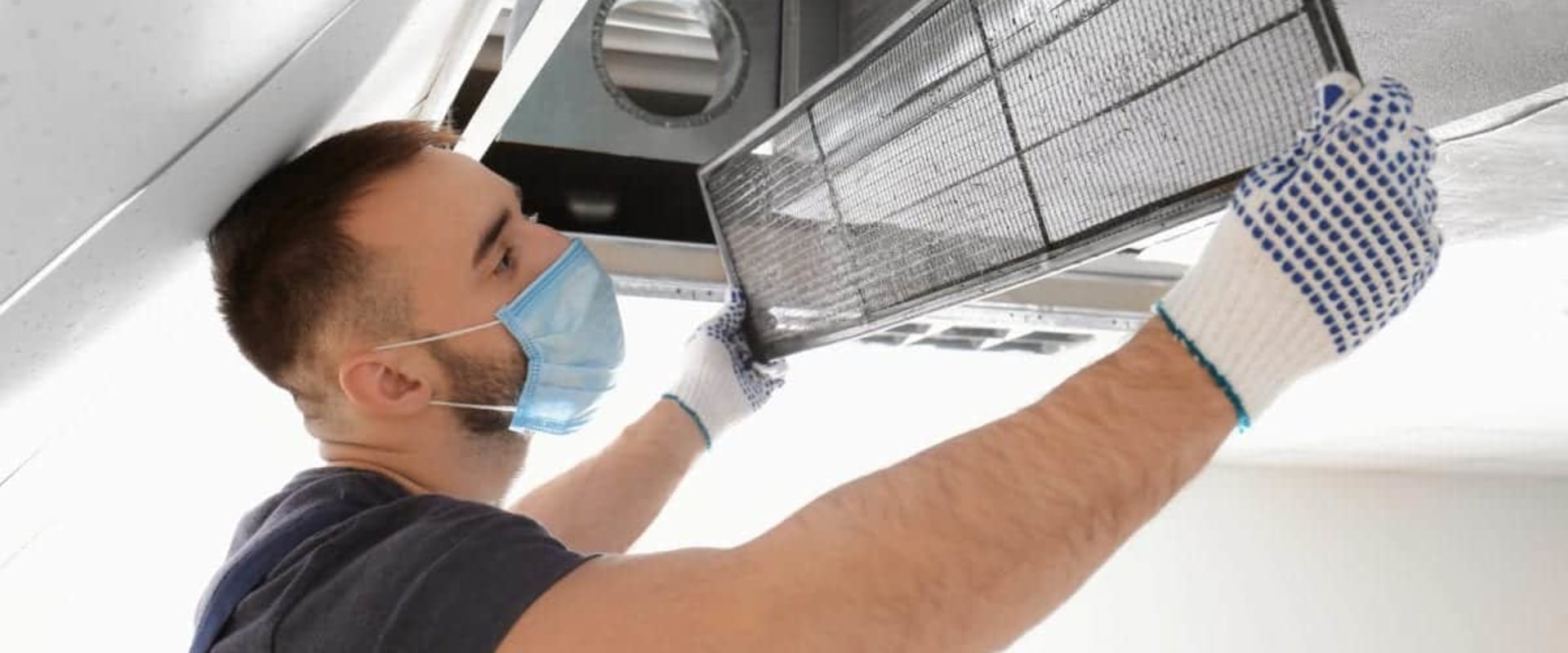
When it comes to maintaining a healthy home environment, duct cleaning is a topic that often surfaces in discussions about indoor air quality. Many homeowners may wonder, "What exactly is duct cleaning?" In essence, duct cleaning involves the thorough cleaning of various components of your heating and cooling system, including the air ducts, registers, and other associated parts. This process aims to remove dust, allergens, and other contaminants that can accumulate over time, potentially affecting the air you breathe.Understanding the significance of duct cleaning nearby is crucial for homeowners who are concerned about their indoor air quality. Over time, air ducts can become a breeding ground for dust mites, mold spores, pet dander, and other pollutants.
These particles can circulate throughout your home every time your heating or cooling system operates, leading to potential health issues for you and your family. Regular duct cleaning can help mitigate these risks by ensuring that your air ducts are free from harmful contaminants.The benefits of duct cleaning extend beyond just improving air quality. A clean duct system can enhance the efficiency of your HVAC system, potentially lowering energy bills and prolonging the lifespan of your equipment. When ducts are clogged with debris, your heating and cooling systems have to work harder to maintain the desired temperature in your home.
By investing in professional duct cleaning services, you not only create a healthier living space but also contribute to the overall efficiency of your home’s climate control systems.
The Importance of Indoor Air Quality
Indoor air quality (IAQ) is a critical aspect of our living environments that significantly influences our health and overall well-being. Many people underestimate the importance of maintaining good air quality within their homes, often overlooking the fact that we spend a substantial amount of time indoors—up to 90% in some cases. This makes it essential to understand how air quality affects our health and what common pollutants may be lurking in our indoor spaces.One of the primary reasons why indoor air quality is vital is its direct correlation with various health issues. Poor IAQ can lead to a range of symptoms, from mild irritations such as headaches and fatigue to more severe conditions like respiratory diseases and cardiovascular problems.Vulnerable populations, including children, the elderly, and individuals with pre-existing health conditions, are particularly at risk.
Common Indoor Pollutants
Indoor air can be contaminated by a variety of pollutants, which can originate from both indoor and outdoor sources. Some of the most common indoor pollutants include:- Volatile Organic Compounds (VOCs): These are emitted by numerous household products such as paints, cleaning agents, and air fresheners. Prolonged exposure can lead to serious health effects.
- Particulate Matter: Dust, pet dander, and pollen can accumulate in your home, especially in air ducts. These particles can trigger allergies and asthma attacks.
- Mold and Mildew: Often found in damp areas, mold spores can become airborne and cause respiratory issues when inhaled.
- Carbon Monoxide: This colorless, odorless gas can be produced by malfunctioning heating systems or appliances.
It poses a significant health risk if not detected promptly.
- Radon: A naturally occurring radioactive gas that can seep into homes from the ground, radon exposure is linked to lung cancer.
How Duct Cleaning Affects Indoor Air Quality
Understanding the impact of duct cleaning on indoor air quality is essential for homeowners who are concerned about the air they breathe. While many people believe that cleaning air ducts will lead to a significant improvement in air quality, the reality is more nuanced.Duct cleaning can indeed play a role in enhancing indoor air quality, but it is not a panacea for all air quality issues.One of the primary benefits of clean ducts is the reduction of airborne pollutants. Over time, dust, allergens, and other contaminants can accumulate in your ductwork. When your heating or cooling system operates, these particles can be circulated throughout your home, potentially leading to respiratory issues and other health concerns. By removing this buildup through professional duct cleaning, you can decrease the number of pollutants that enter your living space.However, it is important to note that while duct cleaning can reduce certain pollutants, it does not eliminate all sources of indoor air contamination.
For instance, pollutants from outdoor sources, such as pollen and vehicle emissions, can still infiltrate your home. Additionally, activities like cooking, cleaning, and even pet dander contribute to indoor air pollution. Therefore, while duct cleaning is beneficial, it should be part of a broader strategy for improving indoor air quality.Moreover, the effectiveness of duct cleaning largely depends on the condition of your HVAC system and the overall cleanliness of your home. If your home has ongoing moisture issues or mold growth, simply cleaning the ducts may not resolve these underlying problems.
In such cases, addressing the root causes of moisture and contamination is crucial for achieving optimal air quality.In summary, while duct cleaning can significantly reduce airborne pollutants and contribute to better indoor air quality, it should not be viewed as a standalone solution. Homeowners should consider it as one component of a comprehensive approach to maintaining a healthy living environment. Regular maintenance of HVAC systems, proper ventilation, and minimizing indoor pollution sources are equally important in ensuring clean and safe air in your home.
Common Misconceptions About Duct Cleaning
When it comes to duct cleaning, many homeowners are often misled by common myths and misconceptions. Understanding the realities of duct cleaning is essential for making informed decisions about your indoor air quality.Myth 1: Duct Cleaning Eliminates All Indoor Pollutants
One of the most prevalent misconceptions is that cleaning your air ducts will completely remove all pollutants from your home.
In reality, while duct cleaning can reduce the amount of dust and debris circulating in your HVAC system, it does not guarantee the elimination of all contaminants. Particles such as pollen, pet dander, and mold spores can still be present in the air, even after a thorough cleaning.
Myth 2: Duct Cleaning is Always Necessary
Another common belief is that duct cleaning should be performed regularly as part of routine home maintenance. The Environmental Protection Agency (EPA) does not recommend routine duct cleaning unless there are specific signs of contamination or other issues. Factors such as recent renovations, water damage, or visible mold growth should prompt a professional inspection rather than a predetermined schedule.
Myth 3: All Duct Cleaning Services are the Same
Not all duct cleaning services adhere to the same standards.
Some companies may use inadequate methods that do not effectively clean the ducts or may even cause damage to your HVAC system. It’s crucial to choose a reputable service provider who follows industry best practices and uses appropriate equipment.
Myth 4: Duct Cleaning Will Improve Energy Efficiency
While some believe that clean ducts will lead to lower energy bills due to improved efficiency, studies show that the impact of duct cleaning on energy savings is minimal. The efficiency of your heating and cooling system is more significantly affected by factors such as proper insulation and regular maintenance of the entire HVAC system.
Myth 5: Duct Cleaning is Harmful
Some homeowners fear that duct cleaning can release harmful particles into their living space. When performed correctly by trained professionals, duct cleaning should not pose any health risks.
However, improper techniques can indeed exacerbate air quality issues, which is why selecting a qualified service provider is essential.In conclusion, while duct cleaning can play a role in maintaining indoor air quality, it is not a cure-all solution. By debunking these myths, homeowners can make better decisions regarding their air quality management and understand when duct cleaning may be necessary.
When to Consider Duct Cleaning
Understanding when to consider duct cleaning is essential for maintaining a healthy indoor environment. While the need for duct cleaning can vary from home to home, there are several key indicators that suggest it may be time to schedule a professional cleaning.Signs You Need Duct Cleaning
- Visible Dust and Debris: If you notice a significant buildup of dust around your home, particularly on vents and registers, this could indicate that your ducts are dirty and circulating dust throughout your living space.
- Unpleasant Odors: Foul smells emanating from your HVAC system can be a sign of mold or mildew growth within the ducts. If you detect musty or stale odors, it’s advisable to have your ducts inspected.
- Increased Allergies or Respiratory Issues: If you or your family members experience heightened allergy symptoms, asthma attacks, or other respiratory problems, dirty ducts may be contributing to these issues by circulating allergens and pollutants.
- Inconsistent Airflow: If certain rooms in your home feel stuffy or do not receive adequate airflow, it may be due to blockages in the ductwork that require cleaning.
- Pest Infestations: The presence of rodents or insects in your duct system can lead to contamination and should prompt immediate cleaning to prevent health risks.
How Often Should Ducts Be Cleaned?
The frequency of duct cleaning can depend on various factors, including:- Location: Homes in urban areas with higher pollution levels may require more frequent cleanings compared to those in rural settings.
- Pets: Households with pets may find that their ducts accumulate hair and dander more quickly, necessitating more regular cleanings.
- Renovations: If you’ve recently completed home renovations or construction work, it’s wise to clean your ducts afterward to remove any dust and debris that may have settled inside.
- HVAC System Age: Older systems may require more frequent maintenance and cleaning to ensure optimal performance.
However, if you notice any of the signs mentioned above, it’s best to consult with a professional for an assessment. Regular maintenance not only improves indoor air quality but also enhances the efficiency of your heating and cooling systems.
Choosing a Duct Cleaning Service Nearby
When it comes to maintaining a healthy indoor environment, selecting a duct cleaning service nearby is a crucial step. With numerous options available, it’s essential to make an informed choice to ensure that your air ducts are cleaned effectively and safely. Here are some key factors to consider when choosing a duct cleaning service:- Check Qualifications and Certifications: Ensure that the duct cleaning company you are considering has the necessary qualifications and certifications.
Look for certifications from reputable organizations such as the National Air Duct Cleaners Association (NADCA). These certifications indicate that the technicians have undergone proper training and adhere to industry standards.
- Experience Matters: Experience can significantly impact the quality of service. Companies with a long history in the duct cleaning industry are likely to have encountered various situations and challenges, equipping them with the knowledge to handle your specific needs. Ask potential service providers how long they have been in business and inquire about their experience with homes similar to yours.
- Read Customer Reviews: Customer feedback is invaluable when assessing a duct cleaning service.
Look for reviews on platforms like Google, Yelp, or the Better Business Bureau (BBB). Pay attention to comments regarding the quality of work, professionalism, and customer service. A company with consistently positive reviews is more likely to provide satisfactory results.
- Request Estimates: Before making a decision, obtain estimates from multiple duct cleaning services. This will give you a better understanding of the average cost in your area and help you identify any unusually high or low prices.
Be cautious of extremely low estimates, as they may indicate subpar service or hidden fees.
- Inquire About Cleaning Methods: Different companies may use various methods for duct cleaning. Ask about their techniques and equipment. A reputable service provider should be willing to explain their process and the tools they use, ensuring that they follow best practices for effective cleaning.
- Check for Insurance: Ensure that the duct cleaning company carries liability insurance. This protects you in case of any damage that may occur during the cleaning process.
A reputable company will have no issue providing proof of insurance upon request.
Alternative Solutions for Improving Indoor Air Quality
While duct cleaning can play a role in maintaining indoor air quality, there are several alternative solutions that can significantly enhance the air you breathe in your home. These methods not only address potential pollutants but also create a healthier living environment.Utilizing Air Purifiers
One of the most effective ways to improve indoor air quality is by using air purifiers. These devices are designed to filter out harmful particles, allergens, and pollutants from the air.When selecting an air purifier, consider the following:
- HEPA Filters: Look for purifiers equipped with HEPA filters, which can capture 99.97% of particles as small as 0.3 microns, including dust, pollen, and pet dander.
- Activated Carbon: Some purifiers also include activated carbon filters that absorb odors and volatile organic compounds (VOCs), improving overall air freshness.
- Room Size: Ensure the purifier is suitable for the size of the room where it will be used. A unit that is too small may not effectively clean the air.
Enhancing Ventilation
Proper ventilation is crucial for maintaining good indoor air quality. It helps to dilute indoor pollutants and bring in fresh outdoor air. Here are some strategies to enhance ventilation:- Natural Ventilation: Open windows and doors when weather permits to allow fresh air to circulate throughout your home.
- Exhaust Fans: Install exhaust fans in areas prone to moisture and odors, such as kitchens and bathrooms, to expel stale air.
- Mechanical Ventilation Systems: Consider investing in a mechanical ventilation system that can provide controlled airflow while filtering incoming air.
Regular Maintenance Practices
In addition to using air purifiers and improving ventilation, regular maintenance of your home can significantly impact indoor air quality.Here are some essential practices:
- Change HVAC Filters: Regularly replace or clean your heating and cooling system filters to ensure they effectively trap dust and allergens.
- Control Humidity Levels: Use dehumidifiers or humidifiers as needed to maintain optimal humidity levels (between 30-50%) to prevent mold growth and dust mites.
- Cleansing Surfaces: Regularly dust and vacuum your home using a vacuum with a HEPA filter to minimize dust accumulation.
FAQs About Duct Cleaning and Indoor Air Quality
When it comes to duct cleaning and its effects on indoor air quality, many homeowners have questions. Here are some of the most frequently asked questions that can help clarify common concerns:1.How often should I have my ducts cleaned?
The frequency of duct cleaning can vary based on several factors, including your location, the presence of pets, and whether anyone in your home suffers from allergies or respiratory issues. Generally, it is recommended to have your ducts cleaned every 3 to 5 years.However, if you notice significant dust buildup or experience unexplained health issues, it may be wise to schedule a cleaning sooner.
2.What are the signs that my ducts need cleaning?
- Visible dust: If you can see dust accumulating around your vents or on surfaces in your home, it may indicate that your ducts are dirty.
- Unpleasant odors: Foul smells coming from your HVAC system can suggest mold or other contaminants in the ducts.
- Increased allergy symptoms: If you or your family members experience heightened allergy symptoms when the HVAC system is running, it could be due to dirty ducts.
3.Does duct cleaning improve indoor air quality?
Duct cleaning can help improve indoor air quality by reducing the amount of dust, allergens, and other pollutants circulating in your home. However, it is important to note that while cleaning ducts can reduce some contaminants, it may not eliminate all sources of indoor air pollution. Regular maintenance of your HVAC system and addressing other potential sources of pollution are also crucial for maintaining good air quality.4.Can I clean my ducts myself?
While some homeowners may attempt to clean their ducts themselves using vacuum attachments or brushes, professional duct cleaning services are recommended for a thorough job. Professionals have specialized equipment and training to ensure that all components of the duct system are cleaned effectively without causing damage.5.Are there any risks associated with duct cleaning?
If performed incorrectly, duct cleaning can potentially cause more harm than good.Inadequate cleaning can dislodge dust and debris, sending it back into your living space. Additionally, if a service provider does not follow proper procedures, they may damage the ductwork or HVAC system. Therefore, it's essential to choose a reputable company with qualified technicians.By addressing these common questions about duct cleaning, homeowners can make informed decisions regarding their indoor air quality and overall home environment.
Conclusion: The Bottom Line on Duct Cleaning and Air Quality
In conclusion, the relationship between duct cleaning and indoor air quality is complex and often misunderstood. While it is clear that maintaining clean air ducts can contribute to a healthier living environment, it is essential to recognize that duct cleaning alone is not a panacea for all indoor air quality issues.Throughout this discussion, we have highlighted several key points:- Understanding Pollutants: Indoor air quality is influenced by a variety of factors, including outdoor pollutants, household activities, and the presence of allergens.
Duct cleaning can help reduce some of these pollutants, but it is not the sole solution.
- Limitations of Duct Cleaning: While cleaning air ducts can remove dust and debris, it does not guarantee the elimination of all contaminants. Particles may still linger in the air or settle on surfaces, necessitating a comprehensive approach to indoor air quality management.
- Addressing Underlying Issues: Before considering duct cleaning, homeowners should identify and address any underlying sources of pollution. This may include improving ventilation, using air purifiers, or addressing moisture issues that can lead to mold growth.
- Choosing Qualified Professionals: If you decide to pursue duct cleaning, selecting a reputable service provider is crucial. Ensure they follow industry standards and best practices to avoid potential damage to your HVAC system.
- Regular Maintenance: Regular maintenance of your heating and cooling systems, including changing filters and inspecting components, can significantly enhance indoor air quality.
Homeowners should weigh the potential benefits against the costs and consider other factors that may impact indoor air quality. By taking a holistic approach to maintaining a healthy home environment, you can ensure that you and your family breathe cleaner air.In summary, while duct cleaning nearby may be beneficial in certain situations, it should be part of a broader strategy aimed at improving overall indoor air quality. Awareness and proactive measures are key to creating a safe and healthy living space.