In today's world, where we spend a significant amount of time indoors, the quality of the air we breathe has become a crucial aspect of our health and well-being. HVAC duct cleaning plays a vital role in maintaining this air quality by ensuring that the ventilation systems in our homes and businesses are free from dust, allergens, and other contaminants. As we delve into the evolution of duct cleaning methods, it is essential to understand how these practices have transformed over time and the impact they have on our indoor environments.Historically, duct cleaning was often viewed as a secondary concern, overshadowed by more visible aspects of home maintenance. However, as awareness of indoor air quality has grown, so too has the recognition of the importance of regular duct cleaning nearby.
Poorly maintained ducts can harbor a variety of pollutants, including mold spores, pet dander, and dust mites, which can exacerbate respiratory issues and allergies. This realization has led to an increased demand for professional cleaning services that utilize advanced techniques to ensure thorough cleaning.The introduction of innovative technologies has revolutionized the HVAC duct cleaning industry. Traditional methods often relied on manual labor and basic tools, which could be inefficient and sometimes damaging to ductwork. Today, advanced systems such as Air Whip technology have emerged, utilizing high-pressure air to dislodge debris without the risk of damaging sensitive duct materials.
This shift not only enhances the effectiveness of cleaning but also minimizes disruption to the home or business environment.As we explore further into this article, we will examine how these advancements in HVAC duct cleaning not only improve air quality but also contribute to energy efficiency and overall system performance. Understanding these developments is essential for homeowners and business owners alike who seek to create healthier indoor spaces.
Understanding HVAC Systems and Ductwork
To fully appreciate the significance of duct cleaning nearby, it is essential to understand how HVAC systems operate and the critical role that ductwork plays in air circulation. HVAC, which stands for heating, ventilation, and air conditioning, is a technology that provides thermal comfort and acceptable indoor air quality. The system comprises various components, including furnaces, air conditioners, heat pumps, and ventilation systems, all working together to regulate temperature and humidity levels within a building.The ductwork is a network of tubes that distributes conditioned air throughout the space.Properly designed ductwork ensures that air flows efficiently from the HVAC unit to every room, maintaining consistent temperatures and improving overall comfort. The design of ductwork can significantly impact the performance of an HVAC system. Factors such as duct size, shape, and layout determine how effectively air circulates. For instance, poorly designed ducts can lead to uneven heating or cooling, increased energy consumption, and higher utility bills.Moreover, the condition of the ductwork directly affects indoor air quality.
Over time, dust, allergens, mold spores, and other contaminants can accumulate within the ducts. When the HVAC system operates, these particles can be circulated back into the living space, potentially causing health issues for occupants. This is where regular duct cleaning becomes crucial.Regular cleaning of HVAC ducts not only enhances air quality but also improves system efficiency. Clean ducts allow for better airflow, reducing strain on the HVAC unit and leading to lower energy consumption.
This can result in significant cost savings over time. Additionally, maintaining clean ducts can extend the lifespan of the HVAC system by preventing wear and tear caused by restricted airflow.In summary, understanding how HVAC systems function and the importance of well-designed ductwork is vital for homeowners and businesses alike. Regular duct cleaning nearby is an essential maintenance practice that promotes healthier indoor environments while optimizing energy efficiency.
The Traditional Methods of Duct Cleaning
For many years, the HVAC industry relied on traditional methods of duct cleaning to maintain air quality and system efficiency. These methods primarily involved manual cleaning techniques that, while effective to some extent, had significant limitations.One of the most common traditional methods is the use of brushes and vacuum systems.Technicians would insert brushes into the ducts to dislodge dirt and debris, followed by a vacuum to remove the loosened particles. This method, although straightforward, often fell short in terms of thoroughness. The brushes could miss hard-to-reach areas or fail to remove stubborn contaminants, leaving behind residues that could contribute to poor indoor air quality.Another prevalent technique involved high-pressure air blasts. This method aimed to blow out dust and debris from the ducts.
While it could be effective in some cases, it also had drawbacks. The force of the air could push contaminants deeper into the ductwork or even into living spaces, potentially exacerbating air quality issues rather than resolving them.The limitations of these traditional methods became increasingly apparent as awareness of indoor air quality grew. Homeowners and businesses began to seek more effective solutions that not only cleaned but also improved overall air quality. The manual nature of these techniques often required significant labor and time, leading to higher costs for consumers.Moreover, traditional methods did not adequately address the diverse range of contaminants found in duct systems, such as mold spores, allergens, and bacteria.
As a result, many HVAC professionals recognized the need for advanced technologies that could provide a more comprehensive cleaning solution.In summary, while traditional duct cleaning methods laid the groundwork for maintaining HVAC systems, their limitations highlighted the necessity for innovation in the industry. The evolution towards more advanced cleaning technologies has since transformed how we approach duct maintenance, ensuring cleaner air and improved system performance.
Introduction to Air Whip Systems
Air Whip systems represent a significant leap forward in the realm of duct cleaning, utilizing innovative technology to enhance the efficiency and effectiveness of the cleaning process. Unlike traditional methods that rely heavily on brushes and manual labor, Air Whip systems employ a unique mechanism that uses high-pressure air to dislodge dirt, dust, and debris from ductwork.These systems consist of flexible whip-like attachments that can navigate through various duct shapes and sizes. As the air is propelled through these whips, it creates a powerful vortex that loosens contaminants from the duct walls.This method not only ensures a thorough clean but also minimizes the risk of damaging sensitive duct materials, which can often occur with abrasive brushes.
Advantages of Air Whip Technology
- Enhanced Cleaning Efficiency: The high-pressure air stream effectively reaches deep into the ductwork, removing stubborn buildup that traditional methods may miss.
- Reduced Risk of Damage: Since Air Whip systems do not rely on physical contact with duct surfaces, they significantly lower the chances of scratching or otherwise damaging ducts.
- Improved Air Quality: By thoroughly cleaning ducts, these systems help eliminate allergens and pollutants, contributing to better indoor air quality.
- Time-Saving: The speed at which Air Whip systems operate allows for quicker cleaning sessions, making them ideal for both residential and commercial applications.
Advanced Technologies in Duct Cleaning
As the HVAC industry continues to evolve, the integration of advanced technologies in duct cleaning has become increasingly vital. These innovations not only enhance the efficiency of cleaning processes but also significantly improve indoor air quality.Below, we explore some of the most impactful technologies currently shaping the future of duct cleaning.
HEPA Filtration Systems
One of the most significant advancements in duct cleaning is the use of HEPA filtration systemsHEPA filtration systems. HEPA, which stands for High-Efficiency Particulate Air, is designed to trap a minimum of 99.97% of particles that are 0.3 microns in diameter. This level of filtration is crucial for removing allergens, dust, and other contaminants from air ducts. By incorporating HEPA filters into duct cleaning equipment, technicians can ensure that the air being circulated in homes and businesses is cleaner and healthier.Robotic Cleaners
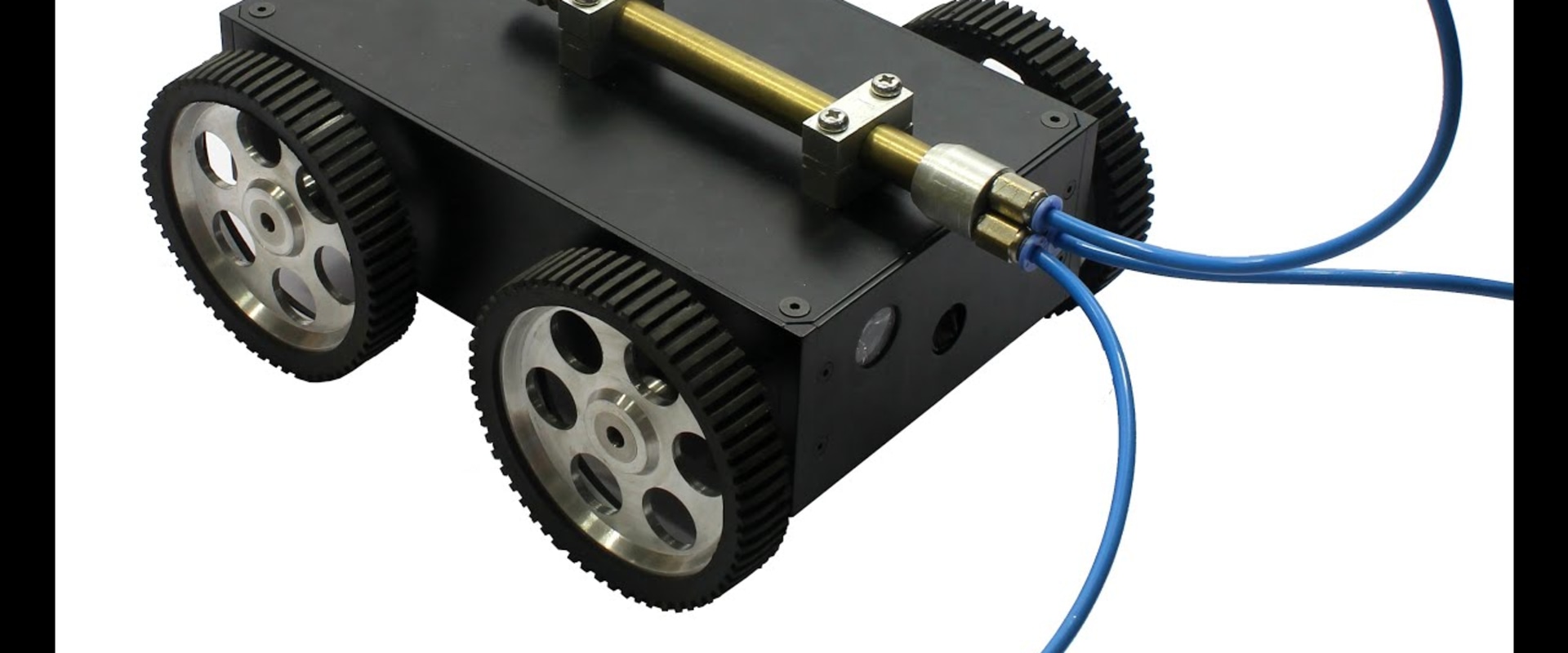
The introduction of robotic cleaners has revolutionized the way duct cleaning is performed.These automated devices are equipped with advanced sensors and cameras that allow them to navigate through complex duct systems with ease. Robotic cleaners can efficiently remove debris and contaminants without the need for extensive manual labor. This not only reduces the time required for cleaning but also minimizes human error, leading to more thorough results.
UV Disinfection Methods
UV disinfection
is another cutting-edge technology gaining traction in the duct cleaning industry. Ultraviolet light has been proven effective in killing bacteria, viruses, and mold spores that can thrive within duct systems.
By incorporating UV lights into HVAC systems or using portable UV devices during cleaning, professionals can significantly reduce microbial growth and improve overall air quality.In conclusion, the adoption of these advanced technologies—HEPA filtration systems, robotic cleaners, and UV disinfection methods—has transformed duct cleaning practices. As homeowners and businesses seek duct cleaning nearby, it is essential to choose services that utilize these innovative solutions to ensure optimal indoor air quality and system performance.
The Role of Monitoring Tools in Duct Cleaning
In the ever-evolving landscape of HVAC duct cleaning, the integration of monitoring tools has emerged as a pivotal advancement. These tools not only enhance the efficiency of duct cleaning but also play a crucial role in maintaining optimal indoor air quality. By leveraging remote monitoring technology , technicians can gain real-time insights into duct performance, allowing for proactive maintenance and timely interventions.One of the primary benefits of utilizing monitoring tools in duct cleaning is the ability to identify issues before they escalate.Traditional methods often relied on periodic inspections, which could overlook hidden problems within the ductwork. However, with advanced monitoring systems, technicians can continuously track key performance indicators such as airflow rates, pressure levels, and temperature variations. This data-driven approach enables them to pinpoint areas that require immediate attention.
Types of Monitoring Tools
- Smart Sensors: These devices can be installed within the duct system to measure various parameters, including humidity and particulate matter levels. They provide valuable data that helps in assessing air quality.
- Remote Cameras: Equipped with high-resolution imaging capabilities, these cameras allow technicians to visually inspect duct interiors without invasive procedures.
This technology aids in identifying blockages or buildup that may not be visible through traditional means.
- Data Analytics Software: By analyzing data collected from sensors and cameras, this software can generate reports that highlight trends and anomalies in duct performance, facilitating informed decision-making.
This proactive approach not only extends the lifespan of HVAC systems but also ensures that indoor air quality remains high, reducing health risks associated with poor ventilation.In conclusion, the role of monitoring tools in duct cleaning cannot be overstated. As technology continues to advance, these tools will become increasingly integral to HVAC maintenance strategies. By adopting a proactive stance through remote monitoring and data analysis, technicians can ensure cleaner ducts, healthier indoor environments, and more efficient HVAC systems.
Health Benefits of Clean Ducts
Maintaining clean ducts is essential for ensuring a healthy indoor environment. The air we breathe significantly impacts our overall well-being, and the condition of our HVAC ducts plays a crucial role in determining the quality of that air.Here are some key health benefits associated with regular duct cleaning:
- Improved Indoor Air Quality: One of the most significant advantages of clean ducts is the enhancement of indoor air quality. Dust, dirt, and other contaminants can accumulate in ductwork over time, leading to poor air circulation and increased levels of airborne pollutants. By removing these contaminants, duct cleaning helps ensure that the air circulating through your home or office is cleaner and healthier.
- Reduction of Allergens: For individuals suffering from allergies or respiratory conditions, clean ducts can make a substantial difference. Ducts often harbor allergens such as pollen, pet dander, mold spores, and dust mites.
Regular cleaning can significantly reduce these allergens, providing relief to those who are sensitive to them.
- Minimized Health Risks: Contaminants in dirty ducts can lead to various health issues, including respiratory infections, asthma attacks, and other chronic conditions. By ensuring that your ducts are clean, you can minimize these health risks and promote a healthier living environment.
- Enhanced Comfort: Clean ducts contribute to better airflow and temperature regulation within your space. This not only makes your home more comfortable but also reduces the strain on your HVAC system, leading to improved efficiency and lower energy bills.
Cost-Effectiveness of Advanced Duct Cleaning Solutions
When considering the cost-effectiveness of advanced duct cleaning solutions, it is essential to evaluate not only the immediate expenses but also the long-term savings they can provide.Traditional duct cleaning methods often involve manual labor and basic equipment, which can lead to inconsistent results and potential damage to ductwork. In contrast, advanced technologies such as Air Whip systems and robotic cleaners offer a more efficient and thorough cleaning process.One of the primary advantages of these modern systems is their ability to significantly reduce energy consumption. Clean ducts allow for improved airflow, which means that HVAC systems do not have to work as hard to maintain desired temperatures. This efficiency translates into lower energy bills over time.
According to studies, homes with regularly cleaned ducts can see energy savings of up to 30% compared to those with neglected systems.Moreover, investing in advanced duct cleaning technologies can lead to fewer repairs and replacements of HVAC components. When ducts are clean, the system operates more smoothly, reducing wear and tear on parts such as fans and compressors. This longevity not only saves money on repairs but also extends the lifespan of the entire HVAC system.Additionally, many advanced duct cleaning solutions come equipped with features that allow for ongoing monitoring and maintenance. This proactive approach helps identify potential issues before they escalate into costly repairs.
For instance, remote monitoring tools can alert homeowners or technicians about airflow irregularities or blockages, enabling timely interventions.In summary, while the initial investment in advanced duct cleaning technologies may be higher than traditional methods, the long-term benefits far outweigh these costs. Homeowners can enjoy significant energy savings, reduced maintenance expenses, and improved indoor air quality. As a result, opting for advanced duct cleaning solutions is not just a matter of cleanliness; it is a strategic financial decision that promotes sustainability and health in living environments.
Future Trends in HVAC Duct Cleaning Technology
As we look to the future of HVAC duct cleaning technology, several exciting trends and innovations are poised to reshape the industry. The ongoing evolution of air quality management systems is not only enhancing the efficiency of duct cleaning but also significantly improving indoor air quality for homes and businesses alike.Integration of Smart Technology
One of the most promising trends is the integration of smart technology into HVAC systems.
Smart sensors can monitor air quality in real-time, detecting pollutants and allergens that may accumulate in ducts. This data can be used to trigger automatic cleaning cycles or alert homeowners when maintenance is needed, ensuring that air quality remains optimal.
Advanced Robotics
Robotic technology is also set to play a crucial role in the future of duct cleaning. As robots become more sophisticated, they will be able to navigate complex duct systems autonomously, performing thorough cleanings without human intervention. These robots can be equipped with advanced sensors and cameras, allowing for detailed inspections and targeted cleaning where it is most needed.
Eco-Friendly Solutions
With growing awareness of environmental issues, there is a strong push towards eco-friendly cleaning solutions.
Future duct cleaning technologies may incorporate biodegradable cleaning agents and energy-efficient equipment that minimizes environmental impact while maximizing effectiveness. This shift not only benefits the planet but also appeals to environmentally conscious consumers.
Enhanced Filtration Systems
The development of next-generation filtration systems will further enhance air quality management. Innovations such as multi-layered HEPA filters and electrostatic filters will capture even smaller particles, ensuring cleaner air circulation throughout buildings. These advanced filters will likely be integrated into HVAC systems, making regular maintenance easier and more effective.
Data Analytics and Predictive Maintenance
Finally, the use of data analytics in HVAC maintenance is expected to grow.
By analyzing historical data on air quality and system performance, technicians can predict when duct cleaning will be necessary, allowing for proactive maintenance schedules. This approach not only improves system efficiency but also extends the lifespan of HVAC equipment.In conclusion, the future of HVAC duct cleaning technology is bright, with innovations that promise to enhance air quality management significantly. As these trends continue to develop, homeowners and businesses can look forward to cleaner air and more efficient systems that contribute to overall well-being.
<strong>Conclusion</strong>
In conclusion, the evolution of HVAC duct cleaning has been marked by significant advancements that have transformed the industry. The introduction of Air Whip systems and other cutting-edge technologies has not only enhanced the efficiency of duct cleaning but also improved the overall quality of indoor air.As we have explored, these innovations have made it possible to remove contaminants and allergens more effectively, ensuring that the air we breathe is cleaner and healthier.Moreover, the integration of advanced monitoring tools and robotic systems has revolutionized how professionals approach duct cleaning. By utilizing remote cameras and automated devices, technicians can now assess duct performance with greater accuracy, allowing for tailored maintenance strategies that address specific issues. This level of precision not only enhances service delivery but also contributes to long-term energy savings and improved system performance.As homeowners and businesses increasingly seek duct cleaning nearby, it is essential to choose service providers who are equipped with these modern technologies. The benefits of investing in advanced duct cleaning solutions extend beyond immediate comfort; they play a crucial role in promoting overall well-being by improving indoor air quality and reducing health risks associated with poor ventilation.Looking ahead, the HVAC industry is poised for further innovation.
As technology continues to advance, we can expect even more efficient methods for maintaining clean air ducts. This ongoing evolution will not only enhance the effectiveness of HVAC systems but also contribute to a healthier living environment for all.In summary, embracing these technological advancements in duct cleaning is vital for anyone looking to improve their indoor air quality and ensure optimal performance from their HVAC systems. The future of duct cleaning is bright, and with continued investment in these technologies, we can look forward to a cleaner, healthier future.