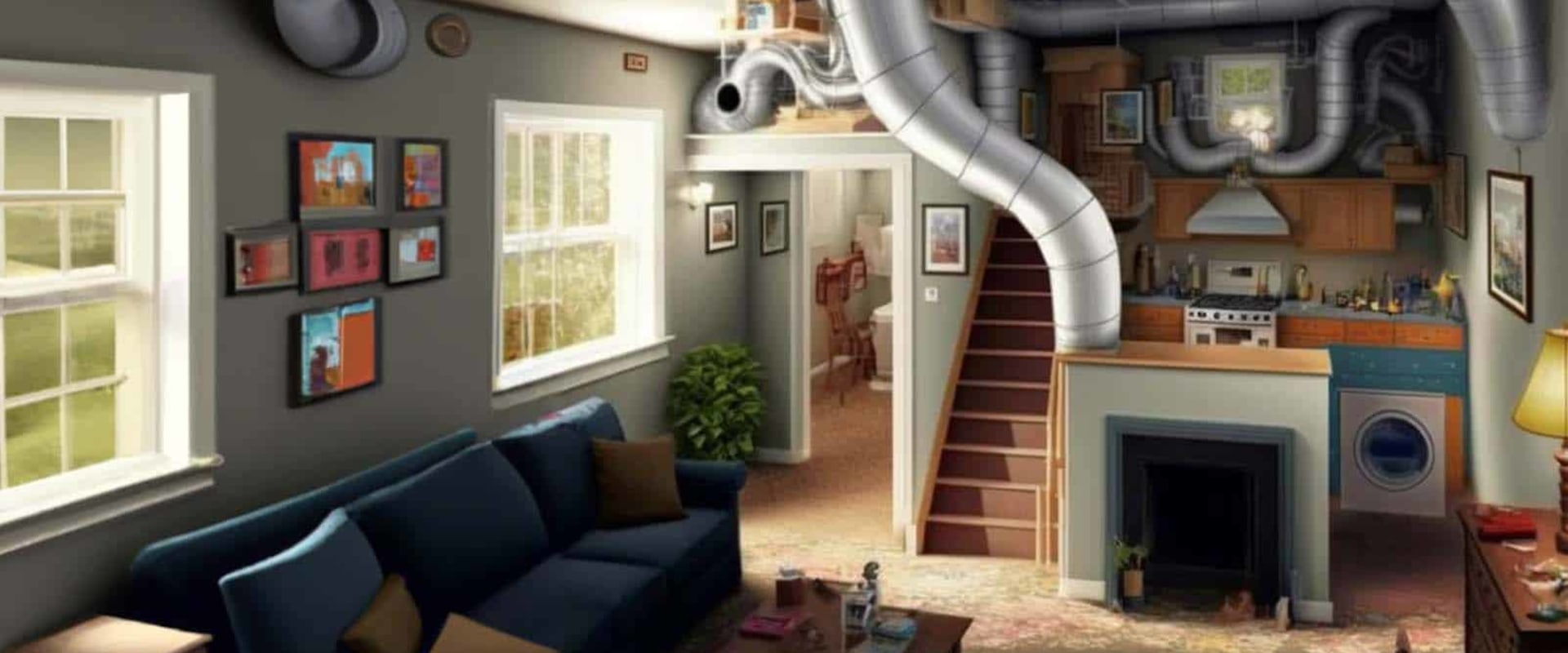
When it comes to maintaining a comfortable home environment, the efficiency of your HVAC system plays a pivotal role. One of the most critical yet often overlooked aspects of HVAC performance is duct sizing. Properly sized ducts ensure that air flows smoothly throughout your home, providing consistent heating and cooling while minimizing energy waste. Unfortunately, many homeowners are unaware of how significant duct sizing is to overall HVAC efficiency, leading to common misconceptions that can result in costly mistakes.Many people assume that bigger ducts are always better, but this is far from the truth.
Oversized ducts can lead to uneven airflow, causing some rooms to be too hot or too cold. Conversely, undersized ducts can restrict airflow, forcing your HVAC system to work harder than necessary. This not only increases energy bills but can also shorten the lifespan of your equipment. Understanding the importance of proper duct sizing is essential for anyone looking to optimize their HVAC system's performance.Moreover, the need for Oversized ducts can lead to uneven airflow, causing some rooms to be too hot or too cold. Conversely, undersized ducts can restrict airflow, forcing your HVAC system to work harder than necessary. This not only increases energy bills but can also shorten the lifespan of your equipment. Understanding the importance of proper duct sizing is essential for anyone looking to optimize their HVAC system's performance.Moreover, the need for duct cleaning nearby cannot be overstated.
Dust and debris can accumulate in improperly sized ducts, further hampering airflow and reducing indoor air quality. Regular duct cleaning helps maintain a healthy living environment and ensures that your HVAC system operates at peak efficiency. As we delve deeper into this topic, we will explore how to determine the right duct size for your home and why consulting with an HVAC professional is crucial for achieving optimal results.
What is Duct Sizing?
Duct sizing refers to the process of determining the appropriate dimensions of the ducts in an HVAC (Heating, Ventilation, and Air Conditioning) system. Proper duct sizing is crucial for ensuring that air is distributed efficiently throughout a building, impacting both comfort and energy efficiency.In essence, ducts are the pathways through which conditioned air travels from the HVAC unit to various rooms in a home or commercial space.The size of these ducts directly affects how well air circulates, how quickly it reaches its destination, and how evenly it is distributed. If ducts are too small, they can restrict airflow, leading to increased pressure within the system and causing the HVAC unit to work harder than necessary. This not only raises energy costs but can also shorten the lifespan of the equipment.Conversely, if ducts are oversized, they can lead to inefficient air distribution. This may result in certain areas of a building being over-conditioned while others remain uncomfortable.
For instance, a room may feel too hot or too cold due to uneven airflow, which can be frustrating for occupants.To understand duct sizing , it’s essential to consider several factors:
- Room Size: The square footage of each room determines how much air is needed for effective heating or cooling.
- Airflow Requirements: Each room has specific airflow needs based on its use and occupancy levels.
- Duct Material: Different materials have varying levels of insulation and airflow resistance, which can influence sizing decisions.
- System Type: The type of HVAC system (e.g., central air conditioning vs. heat pumps) can dictate different duct sizing requirements.
The Impact of Improper Duct Sizing
Improper duct sizing can lead to a myriad of issues that not only affect the comfort of your home but also have significant financial implications. When ducts are either too small or too large for the HVAC system, the consequences can be detrimental.Reduced Energy Efficiency
One of the most immediate effects of improper duct sizing is reduced energy efficiency.
When ducts are undersized, the HVAC system has to work harder to push air through them. This increased workload leads to:
- Higher Energy Consumption: The system consumes more energy, resulting in elevated utility bills.
- Increased Wear and Tear: Over time, the additional strain on the system can lead to premature wear and potential breakdowns.
- Uneven Temperature Distribution: Some areas of your home may become too hot or too cold, making it difficult to maintain a comfortable environment.
- Increased Humidity Levels: Oversized ducts can cause the system to cycle on and off more frequently, which can lead to higher humidity levels indoors.
Increased Utility Bills
The financial impact of improper duct sizing cannot be overstated. Homeowners may notice a significant spike in their energy bills due to:
- Excessive Heating and Cooling Costs: An inefficient system will require more energy to maintain desired temperatures.
- Frequent Repairs: As the HVAC system struggles with improper duct sizes, it may require more frequent maintenance and repairs, adding to overall costs.
Potential Damage to HVAC Systems
Beyond energy inefficiency and increased costs, improper duct sizing can lead to serious damage to your HVAC system.
Some potential issues include:
- Compressor Failure: An overworked compressor can fail prematurely, necessitating costly replacements.
- Ductwork Damage: Constant pressure imbalances can lead to leaks or ruptures in the ductwork itself.
How to Determine the Right Duct Size for Your Home
Determining the right duct size for your home is crucial for ensuring optimal performance of your HVAC system. Properly sized ducts facilitate efficient airflow, which in turn enhances comfort and reduces energy costs.Here’s a step-by-step guide to help you calculate the appropriate duct size for different rooms in your home.
Step 1: Measure Room Dimensions
Start by measuring the dimensions of each room where you plan to install ducts. Record the length and width in feet. For example, if a room is 12 feet long and 10 feet wide, the total area would be:- Area = Length x Width
- Area = 12 ft x 10 ft = 120 sq ft
Step 2: Calculate Required Airflow
Next, determine the required airflow for each room. A common guideline is that you need about 1 CFM (Cubic Feet per Minute) of airflow for every square foot of space.Therefore, for our example room:
- Required Airflow = Area x CFM per sq ft
- Required Airflow = 120 sq ft x 1 CFM = 120 CFM
Step 3: Use Duct Sizing Charts
Once you have the required airflow, refer to duct sizing charts that correlate CFM with duct diameter. These charts provide a visual representation of how different duct sizes can accommodate various airflow rates. For instance, a round duct with a diameter of approximately 6 inches can typically handle around 100-150 CFM .Step 4: Consider Duct Length and Configuration
The length and configuration of your ducts also play a significant role in determining the right size. Longer ducts or those with multiple bends can create resistance, requiring larger ducts to maintain adequate airflow.If your ducts will run over long distances or through complex pathways, consider increasing the size by one step according to the sizing chart.
Step 5: Consult with Professionals
If you're unsure about your calculations or if your home has unique characteristics (like high ceilings or open floor plans), it’s wise to consult with an HVAC professional. They can provide tailored recommendations based on your specific needs and ensure that your system operates efficiently.By following these steps, you can effectively determine the right duct size for each room in your home, leading to improved air quality and energy efficiency.Common Mistakes in Duct Sizing
When it comes to duct sizing, many homeowners unknowingly make mistakes that can lead to inefficiencies in their HVAC systems. Understanding these common errors is crucial for ensuring optimal performance and comfort in your home. Here are some frequent pitfalls to avoid:- Ignoring Room Size and Layout: One of the most significant mistakes is failing to consider the size and layout of each room.
Ducts must be sized according to the specific square footage they serve. For instance, a small bedroom may require a different duct size than a large living room. Neglecting this can result in uneven heating or cooling.
- Overlooking Airflow Requirements: Each room has unique airflow needs based on its function and occupancy. Homeowners often underestimate the amount of air required for proper ventilation.
This oversight can lead to ducts that are either too small, causing strain on the HVAC system, or too large, resulting in wasted energy.
- Not Accounting for Duct Length and Turns: The length of the ductwork and the number of bends or turns can significantly affect airflow. Longer ducts with multiple turns create resistance, which can reduce efficiency. Homeowners should ensure that duct runs are as straight as possible and minimize sharp bends.
- Using Inaccurate Calculations: Many people rely on rough estimates rather than precise calculations when sizing ducts. This can lead to significant discrepancies in airflow and pressure.
Utilizing tools or consulting with professionals can help ensure accurate measurements.
- Neglecting Insulation: Proper insulation is essential for maintaining temperature within ducts. Failing to insulate ducts, especially those running through unconditioned spaces like attics or basements, can lead to energy loss and reduced efficiency.
- Assuming One Size Fits All: A common misconception is that all ducts should be the same size throughout the home. In reality, different areas may require varying sizes based on their specific heating and cooling needs.
The Role of Professional HVAC Contractors in Duct Sizing
When it comes to ensuring your HVAC system operates at peak efficiency, the role of professional HVAC contractors cannot be overstated.These experts bring a wealth of knowledge and experience to the table, particularly when it comes to duct sizing. Proper duct sizing is crucial for maintaining optimal airflow, energy efficiency, and overall comfort in your home.Consulting with a professional HVAC contractor offers several advantages:
- Comprehensive Assessment: A qualified contractor will conduct a thorough evaluation of your home’s layout, including the size and shape of each room. This assessment helps determine the appropriate duct sizes needed to ensure even air distribution.
- Advanced Calculations: Professionals utilize specialized tools and software to calculate the precise airflow requirements for your space. They consider factors such as ceiling height, insulation levels, and existing ductwork to provide accurate recommendations.
- Customized Solutions: Every home is unique, and a one-size-fits-all approach rarely works in HVAC systems.
Experienced contractors tailor their solutions based on your specific needs, ensuring that your system is designed for maximum efficiency.
- Compliance with Local Codes: HVAC contractors are familiar with local building codes and regulations. They ensure that your ductwork meets these standards, which can save you from potential fines or issues during inspections.
- Long-Term Savings: While hiring a professional may seem like an added expense, the long-term savings on energy bills and reduced maintenance costs often outweigh the initial investment. Properly sized ducts lead to less strain on your HVAC system, extending its lifespan.
- Initial Consultation: Discuss your concerns and goals regarding your HVAC system.
- Site Visit: The contractor will visit your home to assess the current setup and gather necessary measurements.
- Report and Recommendations: After analysis, you will receive a report outlining their findings along with tailored recommendations for duct sizing.
- Implementation: Once you agree on a plan, the contractor will proceed with the installation or modification of your ductwork.
Their expertise ensures that your system operates smoothly while minimizing energy costs. If you're searching for duct cleaning nearby, consider reaching out to local professionals who can also assist with proper duct sizing to enhance your HVAC performance.
Maintaining Your Duct System: The Importance of Duct Cleaning Nearby
Once you have ensured that your ducts are properly sized, the next crucial step in maintaining your HVAC system is regular duct cleaning nearby. Over time, dust, allergens, and other contaminants can accumulate within your ductwork, leading to a range of issues that can affect both the efficiency of your system and the quality of the air you breathe.Benefits of Duct Cleaning
- Improved Indoor Air Quality: One of the most significant benefits of regular duct cleaning is the enhancement of indoor air quality. Dust, mold spores, pet dander, and other pollutants can circulate through your home if not removed.
This is especially important for individuals with allergies or respiratory conditions.
- Enhanced System Efficiency: Clean ducts allow for better airflow, which means your HVAC system doesn’t have to work as hard to maintain the desired temperature. This can lead to lower energy bills and a longer lifespan for your equipment.
- Reduction in Allergens: Regular cleaning helps to minimize allergens in your home. By removing dust and other particles from your ducts, you can create a healthier living environment for you and your family.
- Odor Elimination: Accumulated debris in ducts can lead to unpleasant odors circulating throughout your home. Cleaning your ducts can help eliminate these odors, leaving your home smelling fresh.
Most experts recommend having your ducts cleaned every 3 to 5 years, but this can vary based on factors such as:
- The presence of pets in the home.
- The frequency of renovations or construction work.
- The overall air quality in your area.
FAQs About Duct Sizing and Maintenance
When it comes to duct sizing and maintenance, homeowners often have numerous questions. Understanding these aspects can significantly enhance the efficiency of your HVAC system and improve indoor air quality.Here are some frequently asked questions:
What is the importance of proper duct sizing?
Proper duct sizing is crucial for ensuring that your HVAC system operates efficiently. If ducts are too small, they can restrict airflow, causing your system to work harder and leading to increased energy bills. Conversely, ducts that are too large can result in uneven heating and cooling, as well as wasted energy.How do I know if my ducts are the right size?
The best way to determine if your ducts are appropriately sized is to consult with a professional HVAC contractor. They can perform a detailed analysis of your home’s layout and airflow needs.Additionally, you can use online calculators that take into account the square footage of each room to estimate the required duct size.
What are common signs of improperly sized ducts?
- Inconsistent temperatures: Some rooms may feel too hot or too cold compared to others.
- High energy bills: If your energy costs have increased without a change in usage, it may indicate that your HVAC system is overworking due to poor duct sizing.
- Noisy operation: Whistling or banging noises can suggest that air is struggling to pass through the ducts.
How often should I clean my ducts?
It is generally recommended to have your ducts cleaned every 3 to 5 years, but this can vary based on factors such as pets, allergies, and local air quality. Regular cleaning helps maintain good indoor air quality and ensures that your HVAC system runs efficiently.Can I clean my ducts myself?
While some homeowners may attempt DIY duct cleaning, it is often best left to professionals. They have specialized equipment and expertise to thoroughly clean ducts without damaging them or spreading dust and debris throughout your home.What should I look for in a duct cleaning service nearby?
When searching for duct cleaning nearby, consider the following:- Certifications: Ensure the company has certified technicians who follow industry standards.
- Reviews: Check online reviews and testimonials from previous customers.
- Services offered: Look for comprehensive services that include inspection, cleaning, and maintenance.
Conclusion: Ensuring Optimal Performance Through Proper Duct Sizing
In conclusion, the significance of proper duct sizing cannot be overstated when it comes to the efficiency and effectiveness of your HVAC system. Throughout this discussion, we have explored how accurately sized ducts contribute to optimal airflow, energy efficiency, and overall comfort within your home.When ducts are appropriately sized, they facilitate the even distribution of heated or cooled air, ensuring that every room in your home maintains a consistent temperature.This not only enhances comfort but also reduces the workload on your HVAC system, leading to lower energy bills and prolonged equipment lifespan.Moreover, we highlighted the potential pitfalls of improper duct sizing. Ducts that are too small can restrict airflow, causing your system to work harder and potentially leading to premature wear and tear. Conversely, ducts that are oversized can result in uneven heating and cooling, creating hot or cold spots throughout your living space.Regular duct cleaning nearby is also essential for maintaining optimal performance. Dust, debris, and allergens can accumulate in your ducts over time, obstructing airflow and degrading indoor air quality.
By ensuring that your ducts are not only properly sized but also clean, you can significantly enhance the efficiency of your HVAC system.As a homeowner, it is crucial to prioritize both duct sizing and maintenance. Consulting with a qualified HVAC professional can provide you with tailored solutions that meet the specific needs of your home. They can assist in calculating the correct duct sizes based on your home’s layout and ensure that your system operates at peak performance.In summary, investing time and resources into proper duct sizing and regular maintenance will yield significant benefits in terms of comfort, energy savings, and air quality. Don’t overlook this vital aspect of your HVAC system; take action today to ensure that your home remains a comfortable haven for you and your family.