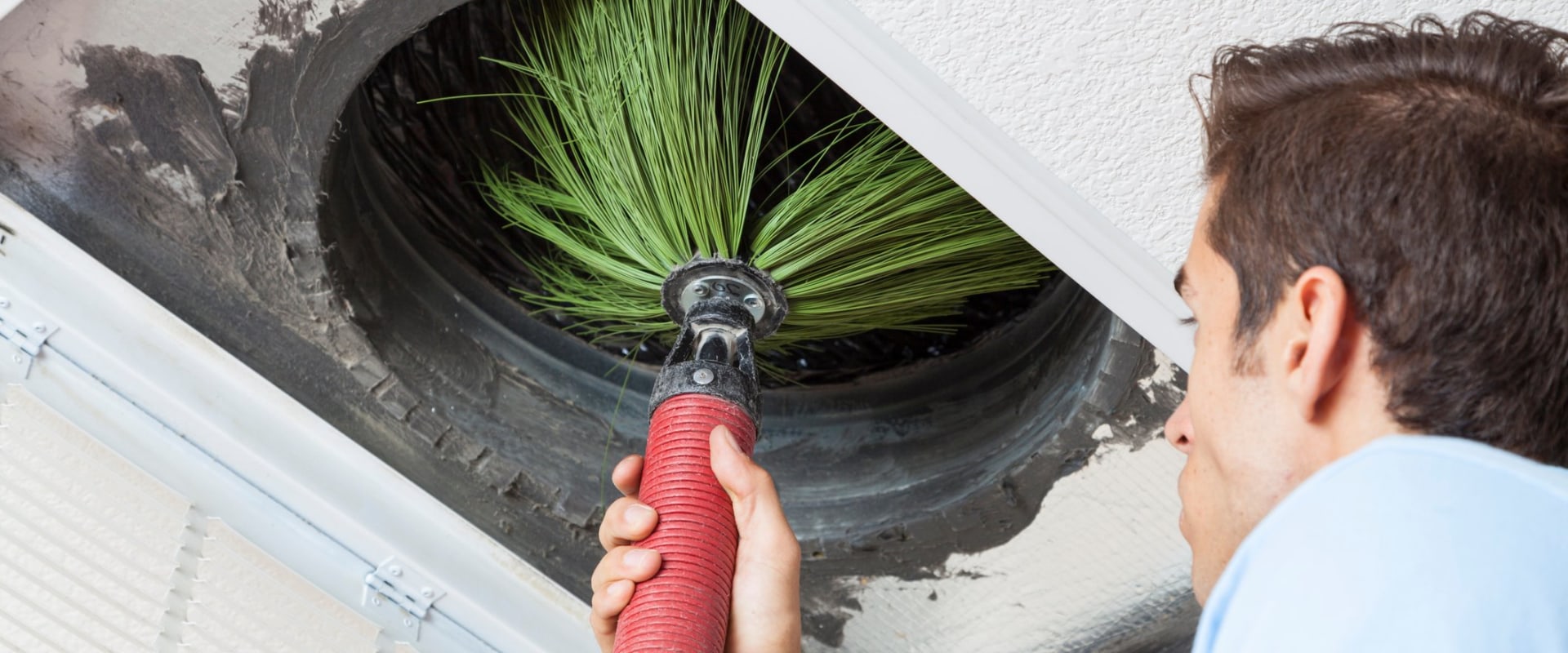
Duct cleaning is a crucial yet often overlooked aspect of maintaining a healthy indoor environment. It involves the thorough cleaning of various components of your heating, ventilation, and air conditioning (HVAC) system, including the air ducts, registers, and other associated parts. Over time, dust, allergens, and other contaminants can accumulate in these ducts, potentially compromising the quality of the air you breathe. Understanding what duct cleaning entails and its importance can help homeowners make informed decisions about their HVAC maintenance.At its core, duct cleaning aims to remove debris and pollutants that can hinder the efficiency of your HVAC system.
This process typically includes the use of specialized tools and techniques to dislodge dirt and dust from the ductwork, followed by vacuuming to ensure that these contaminants are effectively removed. While it may seem like a straightforward task, proper duct cleaning requires expertise to avoid damaging the system or inadvertently spreading contaminants throughout your home.The significance of duct cleaning extends beyond mere aesthetics; it plays a vital role in enhancing indoor air quality. Poor air quality can lead to various health issues, particularly for individuals with respiratory conditions or allergies. By ensuring that your ducts are clean, you can reduce the presence of allergens such as mold spores, pet dander, and dust mites in your home.
Furthermore, a clean duct system can improve the efficiency of your HVAC unit, potentially lowering energy costs and extending the lifespan of your equipment.In summary, understanding duct cleaning is essential for any homeowner looking to maintain a safe and efficient living environment. By recognizing its importance in promoting better air quality and HVAC performance, you can take proactive steps to ensure that your home remains a healthy sanctuary for you and your family.
Common Myths About Duct Cleaning
When it comes to duct cleaning, numerous myths and misconceptions can cloud homeowners' judgment. Understanding these myths is crucial for making informed decisions about your home's air quality and HVAC system maintenance.Myth 1: Duct Cleaning is Always Necessary
One of the most prevalent misconceptions is that duct cleaning should be performed regularly, regardless of the circumstances. In reality, the Environmental Protection Agency (EPA) suggests that duct cleaning is only necessary under specific conditions, such as visible mold growth, pest infestations, or excessive dust accumulation.
Regular cleaning without cause may not provide any significant benefits and could even lead to unnecessary expenses.
Myth 2: Air Filters Eliminate the Need for Duct CleaningMyth 2: Air Filters Eliminate the Need for Duct Cleaning
Many homeowners believe that using high-quality air filters in their HVAC systems negates the need for duct cleaning. While air filters do play a vital role in trapping dust and allergens, they cannot capture all particles. Over time, dust, pet dander, and other contaminants can still accumulate in the ducts, potentially affecting indoor air quality. Therefore, relying solely on air filters is not sufficient for maintaining clean ducts.
Myth 3: Duct Cleaning Can Cause Damage
Another common myth is that duct cleaning can damage your HVAC system or ducts.
While improper cleaning techniques can indeed cause harm, hiring a qualified and experienced technician can mitigate this risk. Professionals follow industry standards and use appropriate equipment to ensure that your ducts are cleaned effectively without causing damage.
Myth 4: All Duct Cleaning Services are the Same
Not all duct cleaning services are created equal. Some companies may use subpar methods or equipment that do not meet industry standards. It’s essential to research and choose a reputable service provider who adheres to best practices in duct cleaning.
Look for certifications and customer reviews to ensure you’re hiring a qualified technician.
Myth 5: Duct Cleaning Improves Energy Efficiency
While clean ducts can contribute to better airflow, the idea that duct cleaning alone will significantly improve energy efficiency is misleading. Energy efficiency depends on various factors, including the overall condition of your HVAC system, insulation levels, and how well your home is sealed. Duct cleaning may help in some cases but should not be viewed as a standalone solution for energy savings.By debunking these common myths about duct cleaning, homeowners can make more informed decisions regarding their HVAC maintenance and indoor air quality. Always consult with professionals to determine the best course of action for your specific situation.
When Is Duct Cleaning Necessary?
Understanding when duct cleaning is necessary is crucial for maintaining a healthy home environment and ensuring the efficiency of your HVAC system.While regular cleaning may not be required, there are specific situations that clearly indicate the need for professional duct cleaning services.
Visible Mold Growth
If you notice visible mold growth inside your air ducts or on other components of your HVAC system, it is essential to act promptly. Mold can pose serious health risks, especially for individuals with respiratory issues or weakened immune systems. In such cases, duct cleaning nearby should be prioritized to eliminate the mold and prevent its spread throughout your home.Excessive Dust and Debris
Another sign that your ducts may need cleaning is the accumulation of excessive dust and debris. If you find that dust settles quickly on surfaces in your home, or if you frequently have to clean dust from vents, it may indicate that your ducts are clogged.This not only affects indoor air quality but can also reduce the efficiency of your HVAC system.
Pest Infestations
The presence of pests such as rodents or insects in your ductwork is a clear signal that duct cleaning is necessary. These pests can leave behind droppings and other contaminants that can compromise air quality and pose health risks. If you suspect a pest problem, it’s important to address it immediately by contacting a professional service for thorough duct cleaning.Post-Renovation Cleaning
If you've recently completed a home renovation, it’s advisable to have your ducts cleaned. Renovations often generate a significant amount of dust and debris that can settle in your ductwork.Cleaning the ducts after such projects helps ensure that any residual particles do not circulate through your home’s air supply.
Water Damage
In cases where water damage has occurred—whether from leaks, flooding, or other sources—duct cleaning becomes essential. Moisture can lead to mold growth and other issues within the ducts, making it critical to have them inspected and cleaned by professionals to restore safe air quality.In summary, recognizing these signs can help you determine when duct cleaning is necessary. By addressing these issues promptly, you can maintain a healthier living environment and enhance the performance of your HVAC system.The Duct Cleaning Process Explained
Understanding the duct cleaning process is essential for homeowners considering this service. The process typically involves several key steps, each designed to ensure that your air ducts are thoroughly cleaned and free from contaminants.1.Initial Inspection
The first step in the duct cleaning process is a comprehensive inspection of your HVAC system and ductwork.
A qualified technician will assess the condition of your ducts, looking for signs of dust accumulation, mold growth, or pest infestations. This inspection helps determine the extent of cleaning required and identifies any potential issues that may need addressing.
2.Preparation
Before the actual cleaning begins, the technician will prepare the area by covering vents and registers with protective materials to prevent dust and debris from escaping into your home. They may also use drop cloths to protect your floors and furniture.
3.Cleaning Equipment Setup
Professional duct cleaning services utilize specialized equipment, including high-powered vacuums and rotary brushes. These tools are designed to dislodge dirt and debris from the duct walls while simultaneously removing them from the system.
The technician will set up this equipment to ensure maximum efficiency during the cleaning process.
4.Duct Cleaning
The actual cleaning involves inserting a vacuum hose into the ducts, which creates negative pressure to pull contaminants out. The technician may also use brushes or agitation devices to loosen stubborn debris stuck to the duct surfaces. This step is crucial for ensuring that all dust, allergens, and other pollutants are effectively removed.
5.Post-Cleaning Inspection
After the cleaning is complete, a follow-up inspection is conducted to ensure that all areas have been adequately cleaned. The technician will check for any remaining debris and confirm that your ducts are now clear of contaminants.
6.Recommendations
Finally, the technician may provide recommendations for maintaining clean ducts in the future, such as changing air filters regularly and scheduling periodic inspections.
This advice can help prolong the cleanliness of your ductwork and improve your home's overall air quality.By understanding these steps in the duct cleaning process, homeowners can make informed decisions about when and how to engage professional services for their HVAC systems.
Choosing the Right Duct Cleaning Service Nearby
When it comes to maintaining a healthy indoor environment, choosing the right duct cleaning service nearby is crucial. With numerous options available, it can be overwhelming to determine which company will provide the best service. Here are some essential tips to help you make an informed decision.1.Research Local Companies
- Start by searching for duct cleaning services nearby. Look for companies that have a solid reputation in your community.
- Check online reviews and ratings on platforms like Google, Yelp, or Angie's List.
Pay attention to both positive and negative feedback to get a balanced view.
- Ask friends, family, or neighbors for recommendations. Personal experiences can provide valuable insights into the quality of service.
2.Verify Credentials and Experience
- Ensure that the duct cleaning company is licensed and insured. This protects you from liability in case of accidents during the cleaning process.
- Inquire about the company's experience in the industry. A well-established company is likely to have more expertise and better techniques.
- Look for certifications from recognized organizations, such as the National Air Duct Cleaners Association (NADCA).
This indicates that the company adheres to industry standards.
3.Ask About Cleaning Methods
- Different companies may use various methods for duct cleaning. Ask potential contractors about their techniques and equipment.
- A reputable company should use advanced tools like high-powered vacuums and rotary brushes to ensure thorough cleaning.
- Be wary of companies that offer extremely low prices; they may cut corners or use ineffective methods.
4.Get Written Estimates
- Request written estimates from multiple companies. This allows you to compare prices and services offered.
- Ensure that the estimate includes all potential costs, such as additional fees for specialized services or equipment.
5.Inquire About Follow-Up Services
- A good duct cleaning service should offer follow-up inspections or maintenance options to ensure your ducts remain clean over time.
- Ask if they provide any guarantees or warranties on their work, which can give you peace of mind regarding the quality of service.
Potential Risks of Improper Duct Cleaning
While duct cleaning can offer benefits when performed correctly, improper practices can lead to a range of risks that may compromise both your HVAC system and your health. Understanding these potential dangers is crucial for homeowners considering duct cleaning services.1.Damage to Ductwork
One of the most significant risks associated with improper duct cleaning is damage to the ductwork itself.
Inexperienced technicians may use aggressive cleaning methods or inappropriate tools that can scratch, dent, or even puncture ducts. Such damage can lead to air leaks, which not only reduce the efficiency of your HVAC system but also increase energy costs.
2.Contamination of Indoor Air
If ducts are not cleaned properly, there is a risk of disturbing dust, mold, and other contaminants that have settled within the system. Instead of removing these pollutants, improper cleaning can release them back into your home’s air supply, potentially exacerbating allergies and respiratory issues.
3.Increased Energy Costs
When ducts are damaged or not cleaned effectively, your HVAC system has to work harder to maintain the desired temperature. This increased workload can lead to higher energy bills and may shorten the lifespan of your heating and cooling equipment.
4.Health Risks
Inadequate duct cleaning can also pose health risks.
For instance, if mold spores are released into the air due to improper cleaning techniques, they can trigger allergic reactions or respiratory problems in sensitive individuals. Additionally, pests such as rodents or insects may be disturbed during a poor cleaning job, leading to further contamination.
5.Costly Repairs
The financial implications of improper duct cleaning can be significant. Damage caused by unqualified technicians may necessitate costly repairs or even complete replacement of your ductwork. Furthermore, if your HVAC system becomes less efficient due to these issues, you may face ongoing expenses related to increased energy consumption.
Conclusion
Given these potential risks, it is essential to hire qualified technicians who adhere to industry standards for duct cleaning.
Doing so not only protects your home and health but also ensures that you receive the full benefits of a clean and efficient HVAC system.
Benefits of Professional Duct Cleaning
When considering the benefits of duct cleaning, it’s essential to recognize how professional services can significantly enhance your home environment. Here are some key advantages:- Improved Indoor Air Quality: One of the most compelling reasons to invest in professional duct cleaning is the noticeable improvement in indoor air quality. Over time, dust, allergens, and other pollutants accumulate in your ducts, which can be circulated throughout your home. A thorough cleaning removes these contaminants, leading to cleaner air and a healthier living space.
- Enhanced Energy Efficiency: Dirty ducts can hinder the efficiency of your HVAC system.
When dust and debris build up, your system has to work harder to maintain the desired temperature, leading to increased energy consumption. By having your ducts cleaned, you can improve airflow and reduce energy costs, making your home more energy-efficient.
- Extended Lifespan of HVAC Systems: Regular maintenance, including duct cleaning, can extend the lifespan of your heating and cooling systems. When your HVAC system operates efficiently without the strain of dirty ducts, it experiences less wear and tear, ultimately saving you money on repairs or replacements.
- Reduction of Allergens and Irritants: For individuals with allergies or respiratory issues, clean ducts can make a significant difference. Professional duct cleaning helps eliminate allergens such as pollen, pet dander, and mold spores that may be lurking in your ventilation system.
- Elimination of Unpleasant Odors: Musty smells or odors from pets can linger in your ducts.
Professional cleaning not only removes the source of these odors but also leaves your home smelling fresh and clean.
FAQs About Duct Cleaning
When considering duct cleaning nearby, many homeowners have questions about the process, its necessity, and its benefits.Here are some frequently asked questions that can help clarify these concerns:
1.How often should I have my ducts cleaned?
The frequency of duct cleaning can vary based on several factors, including your location, the presence of pets, and whether you have allergies. Generally, it is recommended to have your ducts cleaned every 3 to 5 years. However, if you notice excessive dust buildup or experience respiratory issues, it may be wise to schedule a cleaning sooner.2.What are the signs that my ducts need cleaning?
- Visible dust: If you see dust accumulating on vents or around your home, it may indicate that your ducts are dirty.
- Mold growth: If you notice mold in or around your ductwork, it’s crucial to address this immediately.
- Pest infestations: Rodents or insects in your ducts can lead to health risks and should prompt a cleaning.
- Unpleasant odors: Foul smells coming from your HVAC system can signal dirty ducts.
3.Is duct cleaning worth the cost?
Many homeowners find that investing in duct cleaning improves their indoor air quality and HVAC efficiency. Clean ducts can lead to better airflow and lower energy bills.However, it’s essential to hire a reputable service provider to ensure the job is done correctly.
4.Can I clean my ducts myself?
While some basic maintenance can be done by homeowners, such as changing air filters, professional duct cleaning requires specialized equipment and training. Attempting to clean ducts without proper tools can lead to damage or inadequate cleaning.5.What should I look for in a duct cleaning service?
When searching for a duct cleaning nearby, consider the following:- Certification: Ensure the company is certified by a recognized organization.
- Experience: Look for companies with a proven track record in duct cleaning.
- Reviews: Check online reviews and testimonials from previous customers.
- Transparency: A reputable company should provide clear information about their services and pricing.
Conclusion: Making Informed Decisions About Duct Cleaning
In summary, understanding the nuances of duct cleaning is essential for homeowners who wish to maintain a healthy living environment. Throughout this article, we have explored various misconceptions surrounding duct cleaning, emphasizing that it is not a one-size-fits-all solution. While clean ducts can contribute to better indoor air quality, the necessity of cleaning them depends on several factors.One of the most critical takeaways is that air filters alone cannot prevent all contaminants from accumulating in your ducts.Over time, dust, allergens, and even mold can build up, potentially affecting your HVAC system's efficiency and your home's air quality. However, it is equally important to recognize that not every home requires frequent duct cleaning. The Environmental Protection Agency (EPA) advises homeowners to consider duct cleaning only when specific conditions arise.These conditions include:
- Visible mold growth: If you see mold in or around your ducts, it’s crucial to address this issue promptly.
- Excessive dust and debris: A noticeable increase in dust accumulation in your home may indicate a need for duct cleaning.
- Pest infestations: The presence of rodents or insects in your ducts can lead to health risks and should be addressed immediately.
- Post-renovation cleanup: If you've recently remodeled your home, dust and debris from construction can clog your ducts.
Always research local services and seek out those with positive reviews and proper certifications.Ultimately, making informed decisions about duct cleaning nearby involves weighing the potential benefits against the actual needs of your home. By staying educated on this topic and consulting with professionals when necessary, you can ensure that your home remains a safe and healthy space for you and your family.