In today's world, where we spend a significant amount of time indoors, the quality of the air we breathe is more crucial than ever.
Duct cleaning nearby
is not just a service; it is an essential practice that directly impacts our health and well-being. Air ducts serve as the lungs of our homes, circulating air from our heating and cooling systems throughout our living spaces. Over time, these ducts can accumulate dust, allergens, mold, and other contaminants that can compromise indoor air quality.Understanding the importance of air duct cleaning is vital for anyone looking to maintain a healthy home environment.When air ducts are neglected, they can become breeding grounds for bacteria and fungi, which can lead to respiratory issues and other health problems. Regular cleaning helps to remove these harmful particles, ensuring that the air circulating in your home is clean and safe to breathe.So, what exactly is air duct cleaning ? It involves the thorough cleaning of various components of your heating and cooling system, including the supply and return air ducts, grilles, registers, and even the HVAC unit itself. This process not only improves air quality but also enhances the efficiency of your HVAC system, potentially lowering energy costs. By investing in regular duct cleaning services, you are taking a proactive step towards safeguarding your family's health while also extending the lifespan of your heating and cooling equipment.
Why Regular Air Duct Cleaning is Crucial
Regular air duct cleaning is not just a matter of aesthetics; it plays a vital role in maintaining a healthy living environment.Over time, dust, allergens, and other contaminants accumulate in your air ducts, which can lead to a range of health issues and decreased air quality. Here are some compelling reasons why keeping your air ducts clean is essential:
- Improved Indoor Air Quality: One of the most significant benefits of regular duct cleaning is the enhancement of indoor air quality. Contaminants such as dust, pollen, pet dander, and mold spores can circulate through your home’s HVAC system, leading to respiratory problems and allergies. By removing these pollutants, you create a healthier environment for you and your family.
- Health Benefits: Clean air ducts can significantly reduce the risk of health issues.
Individuals with asthma or allergies may experience fewer symptoms when the air they breathe is free from irritants. Regular cleaning can also help prevent the growth of mold and bacteria, which thrive in dirty ducts and can lead to serious health complications.
- Energy Efficiency: Dirty air ducts can hinder the efficiency of your HVAC system. When dust and debris accumulate, your system has to work harder to circulate air throughout your home. This increased workload can lead to higher energy bills and a shorter lifespan for your HVAC equipment.
Regular cleaning helps maintain optimal airflow, improving energy efficiency and saving you money in the long run.
- Odor Elimination: Unpleasant odors can linger in your home due to accumulated debris in your air ducts. These odors may stem from mold growth or trapped particles that emit foul smells. Cleaning your ducts can help eliminate these odors, leaving your home smelling fresh and inviting.
- Enhanced Comfort: Clean air ducts contribute to a more comfortable living environment. When your HVAC system operates efficiently, it maintains consistent temperatures throughout your home, ensuring that every room is comfortable regardless of the season.
The benefits extend beyond just cleaner air; they encompass improved health, energy efficiency, and overall comfort. By prioritizing duct cleaning, you invest in the well-being of yourself and your loved ones.
Signs You Need Air Duct Cleaning
Maintaining a healthy indoor environment is crucial for the well-being of your family, and one of the key components of this is ensuring that your air ducts are clean. However, many homeowners are unaware of the signs that indicate it’s time for duct cleaning nearby. Recognizing these signs early can help you take timely action to improve your indoor air quality.- Unpleasant Odors: If you notice musty or stale smells emanating from your vents, it could be a sign of mold or mildew growth within your ducts.
This is often caused by moisture buildup and can lead to serious health issues if not addressed promptly.
- Increased Allergies or Respiratory Issues: If you or your family members are experiencing heightened allergy symptoms, such as sneezing, coughing, or difficulty breathing, it may be due to dust, pollen, or other allergens circulating through dirty air ducts. Regular cleaning can help alleviate these symptoms.
- Visible Dust Accumulation: If you find that dust settles quickly on surfaces in your home, it may indicate that your air ducts are filled with dust and debris. This not only affects air quality but also means your HVAC system has to work harder to maintain temperature, leading to increased energy bills.
- Mold Growth: If you see visible mold growth around your vents or inside the ducts themselves, it’s essential to act immediately. Mold can release spores into the air, posing serious health risks.
A professional duct cleaning service can help eliminate this issue.
- Inconsistent Airflow: If certain rooms in your home feel stuffy or do not receive adequate airflow compared to others, it may be a sign that your ducts are blocked with debris. This can lead to uneven heating and cooling throughout your home.
- Recent Renovations: If you’ve recently completed renovations or construction work in your home, dust and debris can easily accumulate in your air ducts. It’s advisable to schedule a cleaning after such projects to ensure that any leftover particles do not circulate in your indoor air.
The Process of Air Duct Cleaning
Understanding the air duct cleaning process is essential for homeowners looking to improve their indoor air quality.The process typically involves several key steps, each designed to ensure that your air ducts are thoroughly cleaned and free from contaminants.
1.Initial Inspection
The first step in the duct cleaning process is a comprehensive inspection of your HVAC system. Technicians will assess the condition of your air ducts, looking for signs of dust buildup, mold growth, or any blockages that may be present. This initial evaluation helps determine the best approach for cleaning and identifies any potential issues that need to be addressed.
2.Preparation
Before the actual cleaning begins, technicians will prepare the area by covering vents and registers with protective materials. This step prevents dust and debris from escaping into your living space during the cleaning process.
Additionally, they may use specialized equipment to create negative pressure within the duct system, ensuring that contaminants are effectively removed.
3.Cleaning Equipment Setup
Professional air duct cleaning services utilize advanced equipment, including high-powered vacuums and rotary brushes. These tools are designed to dislodge dirt and debris from the walls of the ducts while simultaneously vacuuming it away. The vacuum system is often connected to a truck-mounted unit, which provides powerful suction capabilities.
4.Duct Cleaning
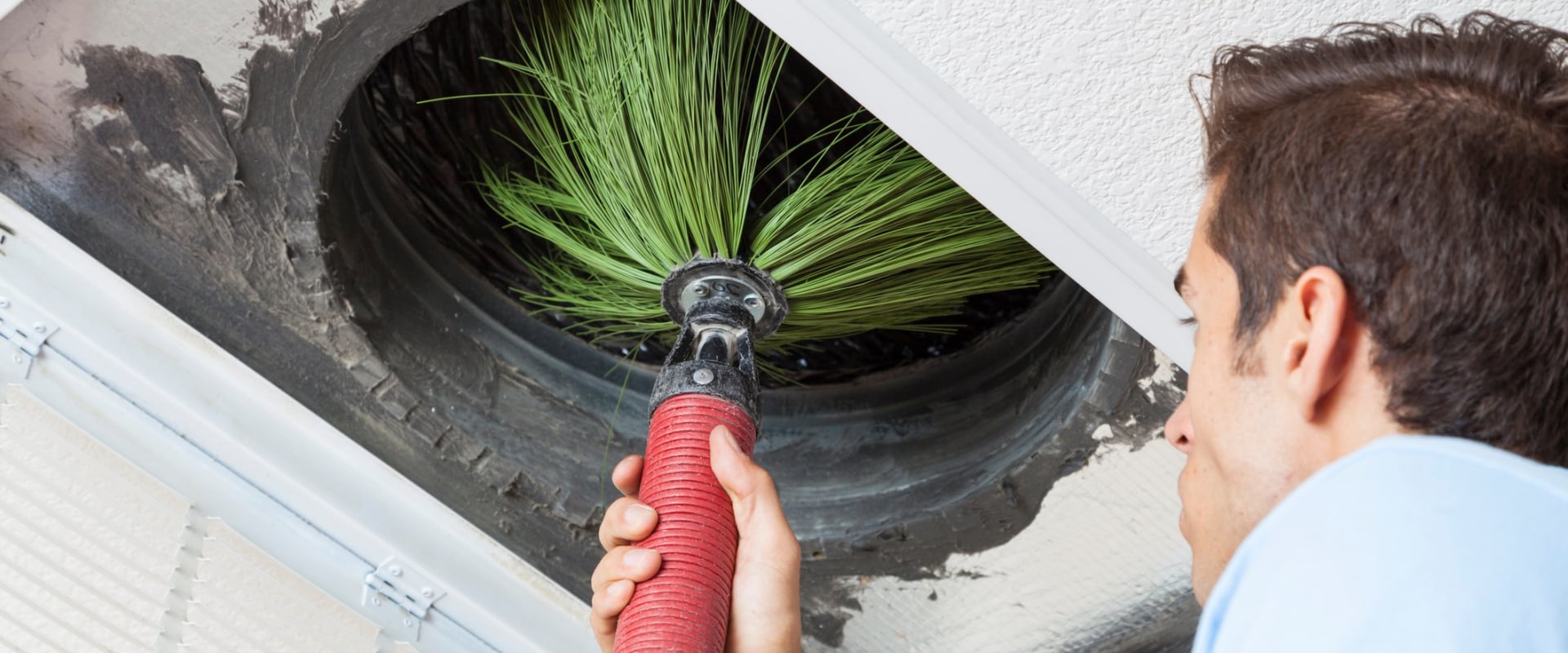
The actual cleaning process involves inserting a rotary brush or other cleaning tools into the ducts. As these tools rotate, they scrub the interior surfaces of the ducts, loosening any accumulated dust, allergens, and other contaminants.
The powerful vacuum then captures these particles, preventing them from re-entering your home.
5.Sanitization (if necessary)
In some cases, especially if mold or bacteria are detected during the inspection, technicians may apply a biocide or antimicrobial solution to sanitize the ducts after cleaning. This step helps eliminate any remaining pathogens and prevents future growth.
6.Final Inspection
Once the cleaning is complete, a final inspection is conducted to ensure that all areas have been adequately cleaned and that no debris remains in the system. Technicians will also check that all vents and registers are reattached properly.
7.Maintenance Recommendations
After completing the service, professionals often provide recommendations for maintaining clean air ducts in the future. This may include advice on changing air filters regularly and scheduling periodic cleanings based on your specific usage patterns.By understanding these steps in the duct cleaning process, homeowners can feel more confident in choosing a reputable service provider and ensuring their indoor air quality remains at its best.
Chemicals Used in Air Duct Cleaning
When it comes to air duct cleaning, understanding the chemicals involved is crucial for homeowners.Various substances are utilized to ensure that air ducts are not only clean but also free from harmful microorganisms. This section will explore the most common chemicals used in the cleaning process, focusing on biocides and disinfectants, their purposes, potential risks, and safety considerations.
Biocides in Air Duct Cleaning
One of the primary categories of chemicals used in air duct cleaning is biocides. These agents are designed to kill or inhibit the growth of bacteria, fungi, and other pathogens that may reside within the ducts. Biocides can be particularly effective in eliminating mold spores and mildew, which can thrive in damp environments.However, while biocides serve an essential function in maintaining air quality, they also come with potential risks.
Some biocides contain volatile organic compounds (VOCs) that can be harmful when inhaled. Prolonged exposure to these chemicals may lead to respiratory issues or other health concerns. Therefore, it is vital for homeowners to inquire about the specific biocides being used by their cleaning service and to ensure that they are compliant with safety regulations.
Disinfectants and Cleaning Agents
In addition to biocides, various disinfectants and cleaning agents are employed during the duct cleaning process. These products help remove dirt, dust, and other debris that accumulate over time.
Many disinfectants are formulated to break down organic matter and eliminate odors, making them an essential part of a thorough cleaning.When selecting a cleaning service, it is advisable to ask about the types of disinfectants they use. Opting for environmentally friendly or safe cleaning products can minimize health risks while still achieving effective results. Look for products that are labeled as non-toxic and free from harsh chemicals.
Safety Considerations
Before proceeding with air duct cleaning, homeowners should consider several safety factors:
- Research: Investigate the cleaning company’s practices and the specific chemicals they use.
- Ventilation: Ensure proper ventilation during and after the cleaning process to disperse any lingering chemical fumes.
- Post-Cleaning Inspection: After the service is completed, check for any unusual odors or symptoms that may indicate chemical residue.
The Role of Organic Chemicals in Duct Cleaning
In the realm of duct cleaning, the use of organic chemicals plays a significant role in ensuring that air ducts are not only clean but also safe for occupants.Organic chemicals, particularly volatile organic compounds (VOCs), are often found in various cleaning products and can have a profound impact on indoor air quality.
Understanding VOCs
- VOCs are organic chemicals that can easily evaporate at room temperature, releasing gases into the air.
- Common sources of VOCs include paints, varnishes, cleaning agents, and even some building materials.
- When these compounds are circulated through air ducts, they can contribute to poor indoor air quality and may pose health risks.
- Headaches
- Dizziness
- Respiratory problems
- Long-term effects such as liver and kidney damage
Eco-Friendly Alternatives
- Plant-Based Cleaners: These cleaners utilize natural ingredients derived from plants, which are less likely to emit harmful VOCs.
- Biodgradable Solutions: Many companies now offer biodegradable cleaning agents that break down naturally without leaving toxic residues.
- Steam Cleaning: This method uses high-temperature steam to sanitize ducts without the need for chemical additives.
This proactive approach not only protects your health but also contributes to a healthier indoor environment for you and your family.
Choosing a Reliable Air Duct Cleaning Service Nearby
When it comes to maintaining a healthy indoor environment, selecting a reliable air duct cleaning service is crucial. With numerous options available, especially when searching for duct cleaning nearby, it’s essential to know how to choose the right provider. Here are some key factors to consider:- Check Credentials: Ensure that the company is certified by recognized organizations such as the National Air Duct Cleaners Association (NADCA). This certification indicates that the service provider adheres to industry standards and best practices.
- Read Reviews: Look for customer reviews and testimonials online.
Websites like Yelp, Google Reviews, and the Better Business Bureau can provide insights into the experiences of previous clients. Pay attention to both positive and negative feedback.
- Ask About Experience: Inquire how long the company has been in business. A well-established company is likely to have more experience and a proven track record in providing quality service.
- Request Estimates: Obtain written estimates from multiple providers. This will help you compare prices and services offered.
Be cautious of prices that seem too low, as they may indicate subpar service or hidden fees.
- Inquire About Methods and Equipment: Ask what cleaning methods and equipment they use. Reputable companies should use advanced tools and techniques that comply with industry standards to ensure thorough cleaning without damaging your ducts.
- Check for Insurance: Verify that the company has liability insurance. This protects you in case of any accidents or damages that may occur during the cleaning process.
- What is included in your duct cleaning service?
- Do you provide a written contract?
- How do you handle potential mold or contamination issues?
- Can you provide references from past clients?
Preventive Maintenance for Air Ducts
Maintaining clean air ducts is essential for ensuring a healthy indoor environment. While professional duct cleaning nearby is crucial, homeowners can take several preventive measures to keep their air ducts in optimal condition between cleanings.Implementing a regular maintenance routine not only enhances air quality but also extends the lifespan of your HVAC system.
Regular Filter Changes
- One of the simplest yet most effective ways to maintain clean air ducts is by regularly changing your HVAC system's air filters. Depending on usage and the type of filter, this should be done every 1 to 3 months.
- Dirty filters can restrict airflow, causing your system to work harder and potentially leading to increased dust and debris accumulation in the ducts.
Routine Inspections
- Schedule routine inspections of your HVAC system at least once a year. A professional technician can identify potential issues before they escalate, ensuring that your system operates efficiently.
- During these inspections, technicians can also check for signs of mold growth or pest infestations within the ducts, which can pose health risks.
Keep Ducts Accessible
- Ensure that all vents and registers are unobstructed by furniture or other items. This allows for proper airflow and reduces the likelihood of dust buildup.
- If you have pets, consider using pet-friendly cleaning products and regularly vacuuming areas around vents to minimize hair and dander entering the duct system.
Seal Ducts Properly
- If you notice any gaps or leaks in your ductwork, seal them promptly.
Leaky ducts can lead to significant energy loss and allow contaminants to enter the system.
- Use mastic sealant or metal tape specifically designed for duct sealing to ensure a tight seal.
Maintain Humidity Levels
- Keeping humidity levels in check is vital for preventing mold growth in air ducts. Aim for indoor humidity levels between 30% and 50%.
- If necessary, use dehumidifiers in damp areas of your home to help control moisture levels.
Conclusion: The Importance of Regular Air Duct Cleaning and Chemical Awareness
In summary, the significance of regular air duct cleaning cannot be overstated. It plays a crucial role in maintaining a healthy indoor environment, enhancing air quality, and ensuring the efficiency of your HVAC system.As we have discussed, contaminants such as dust, mold, and bacteria can accumulate in air ducts over time, leading to potential health risks for you and your family. Regular cleaning helps mitigate these risks and promotes a cleaner living space.Moreover, being informed about the chemicals used during the duct cleaning process is equally important. While many cleaning agents are effective in eliminating harmful microorganisms, not all are created equal. Some may pose health risks if not handled properly or if they are not suitable for your specific environment.
Understanding the types of chemicals used, such as biocides and other cleaning solutions, allows homeowners to make informed decisions when selecting a duct cleaning service.It is essential to choose a reputable air duct cleaning company that prioritizes safety and uses environmentally friendly products. Look for providers who adhere to industry standards set by organizations like the National Air Duct Cleaners Association (NADCA). This ensures that the methods employed are not only effective but also safe for your home and family.In conclusion, regular air duct cleaning is an integral part of home maintenance that should not be overlooked. By committing to a routine cleaning schedule and being aware of the chemicals involved, you can significantly improve your indoor air quality and overall well-being.
Take proactive steps today to ensure that your home remains a safe and healthy environment for everyone.